Foundation Stabilization for Lasting Home Support
November 5, 2026
A crack above the living room door, a floor that suddenly feels uneven, or a back patio that holds water after every storm can all point to the same underlying problem: movement beneath your home. In North Texas, foundation stabilization is often less about one visible crack and more about understanding how expansive clay soil, changing moisture levels, and drainage patterns are affecting the structure as a whole.
For homeowners across Dallas-Fort Worth, waiting can turn a manageable repair into a larger project. The right response is not to panic or assume every crack requires major work. It is to get a knowledgeable inspection, identify the source of movement, and build a repair plan that protects the home for the long term.
What Foundation Stabilization Actually Does
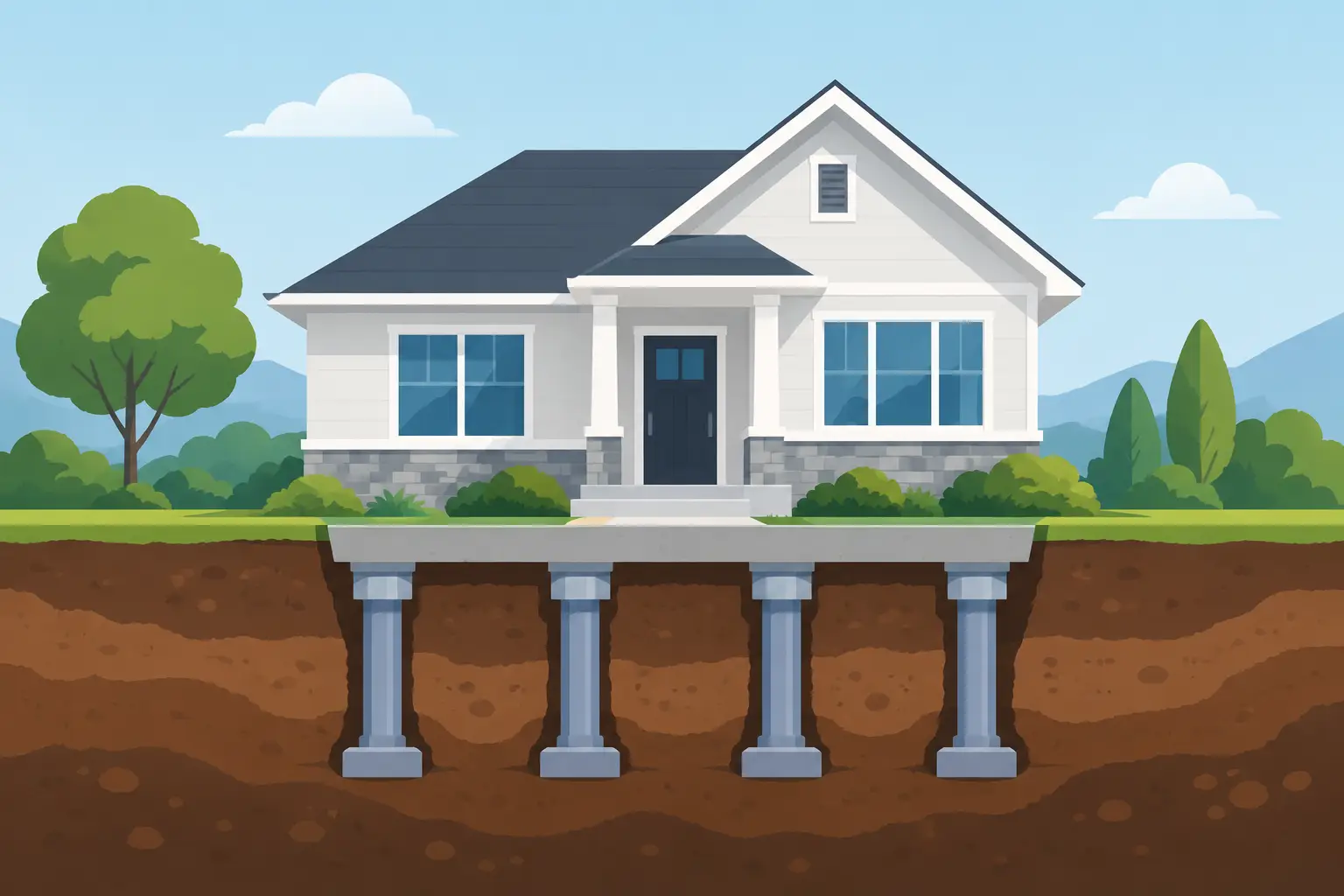
Foundation stabilization is the process of supporting a structure so it can resist further harmful movement. Depending on the home and the cause of the problem, that may involve installing concrete piers, adjusting and leveling supported areas, repairing a pier and beam system, or correcting drainage conditions around the property.
The goal is not simply to make a crack look better. Cosmetic patching may hide a symptom for a while, but it does not address soil movement, inadequate support, water buildup, or changing moisture beneath the foundation. A sound stabilization plan focuses on the structural cause first.
This distinction matters in the Dallas-Fort Worth area. Much of North Texas sits on clay-rich soil that expands when wet and contracts during dry conditions. Repeated expansion and contraction can place uneven pressure on a slab foundation, especially when one side of the home receives more water than another. A foundation can settle, lift, or move in different directions over time.
Signs Your Property May Need Attention
No single sign confirms foundation trouble. Homes settle naturally, and minor drywall cracks can occur for several reasons. Concern rises when several symptoms appear together, when they become larger, or when they continue returning after repairs.
Watch for cracks in interior walls, brick veneer, ceilings, or around doors and windows. Doors that stick or no longer latch properly, windows that are difficult to open, sloping floors, gaps along trim, and separation between walls and ceilings can also signal structural movement. Outside, pooling water near the foundation, soil pulling away from the slab during dry weather, and standing water after rain deserve attention as well.
For commercial property owners, the warning signs may show up as uneven interior surfaces, cracking along masonry, misaligned doors, or water entering low areas around the building. The building use, load requirements, and construction type all affect the recommended approach.
An inspection helps separate ordinary aging from active movement. It also provides a clearer answer than trying to diagnose a foundation from one crack alone.
Why Drainage Is Part of the Repair Plan
A stable foundation needs more than structural support. It also needs predictable moisture conditions around the building. Water is one of the most common contributors to foundation movement in North Texas, whether it collects beside the home after storms or disappears too quickly during extended heat.
Poor grading, short downspout extensions, clogged drains, and low areas near the home can allow water to gather where it does the most harm. Saturated clay soil expands and can push upward against portions of a foundation. On the other hand, dry soil can shrink away and leave areas without consistent support.
That is why drainage correction is often recommended alongside structural repair. Surface drains can move water away from low areas, while French drains can help collect and redirect subsurface water. The best solution depends on the property’s grade, soil conditions, roof runoff, landscaping, and the location of the water problem.
Not every home with drainage concerns needs piers, and not every home that needs piers requires a major drainage installation. The important point is that the two systems should be evaluated together. Installing structural support without considering the water source can leave the conditions that contributed to movement in place.
Foundation Stabilization Options for Different Homes
There is no one-size-fits-all repair method. A reliable recommendation should account for the type of foundation, the extent of movement, soil conditions, access around the home, and whether the movement appears active.
Slab Foundation Repair
Many Dallas-Fort Worth homes are built on concrete slabs. When a slab loses support or moves unevenly, concrete piers may be installed at selected locations to provide dependable support beneath the foundation. The number and placement of piers should be based on measured conditions, not a blanket formula.
In some cases, the supported area can be carefully lifted toward its intended position. The degree of adjustment depends on the structure, how long the movement has been present, and what the home can safely tolerate. Older framing, plumbing, finishes, and masonry can affect how much adjustment is appropriate.
Pier and Beam Foundation Repair
Pier and beam homes have a crawl space beneath the structure, which allows for a different repair approach. Repairs may involve reinforcing or replacing deteriorated beams, adjusting interior supports, addressing failing piers, or correcting moisture and ventilation issues in the crawl space.
This type of work requires a close look beneath the home. Wood rot, plumbing leaks, standing water, and inadequate drainage can weaken components that are not visible from inside the house. A proper plan addresses both the support system and the conditions that threaten it.
Block and Base Systems
Block and base foundations also need careful evaluation of support points, beams, soil movement, and drainage. Because these systems can vary by age and construction, the repair plan should be tailored to the property rather than treated like a slab repair.
What a Trustworthy Inspection Should Include
A foundation estimate should give you more than a price. You deserve a clear explanation of what is happening, what work is recommended, and why that work fits your home.
During an inspection, a qualified foundation professional should assess visible cracking, doors and windows, floor elevations where appropriate, exterior drainage, roof runoff, soil conditions, and accessible areas beneath or around the structure. They should explain whether the concern appears localized or widespread and whether drainage is contributing to the issue.
Ask direct questions. What is causing the movement? Is repair needed now, or should the condition be monitored? Which areas will receive support? Will the work involve adjustment or stabilization only? How will landscaping, concrete, plumbing, or access be handled? What warranty applies to the completed work?
Clear answers are a sign of a contractor who takes responsibility for the recommendation. Foundation repair is a significant investment, and you should not feel pressured into work that has not been explained in practical terms.
Protecting Your Home After Repairs
Structural repairs work best when homeowners also manage the conditions around the house. Keep gutters clear, direct downspouts away from the foundation, and make sure water does not pond against the home. During dry stretches, follow appropriate watering guidance for your property so the soil around the foundation does not experience extreme moisture swings.
Avoid making major grading or landscaping changes without considering where rainwater will go. A new flower bed, patio, or hardscape feature can unintentionally direct water toward the house. If you see recurring standing water, treat it as a drainage issue worth addressing rather than a nuisance to ignore.
For more than 57 years, All American Foundation Repair & Drainage has helped North Texas property owners make informed decisions about structural support and water management. A free estimate can provide the facts you need, along with a repair recommendation built for your property rather than a generic solution.
If your home is showing signs of movement, the most helpful next step is a professional evaluation while the issue is still clear and manageable. Knowing what is happening beneath your home brings peace of mind, and acting early gives you more options to protect the property you have worked hard to build.