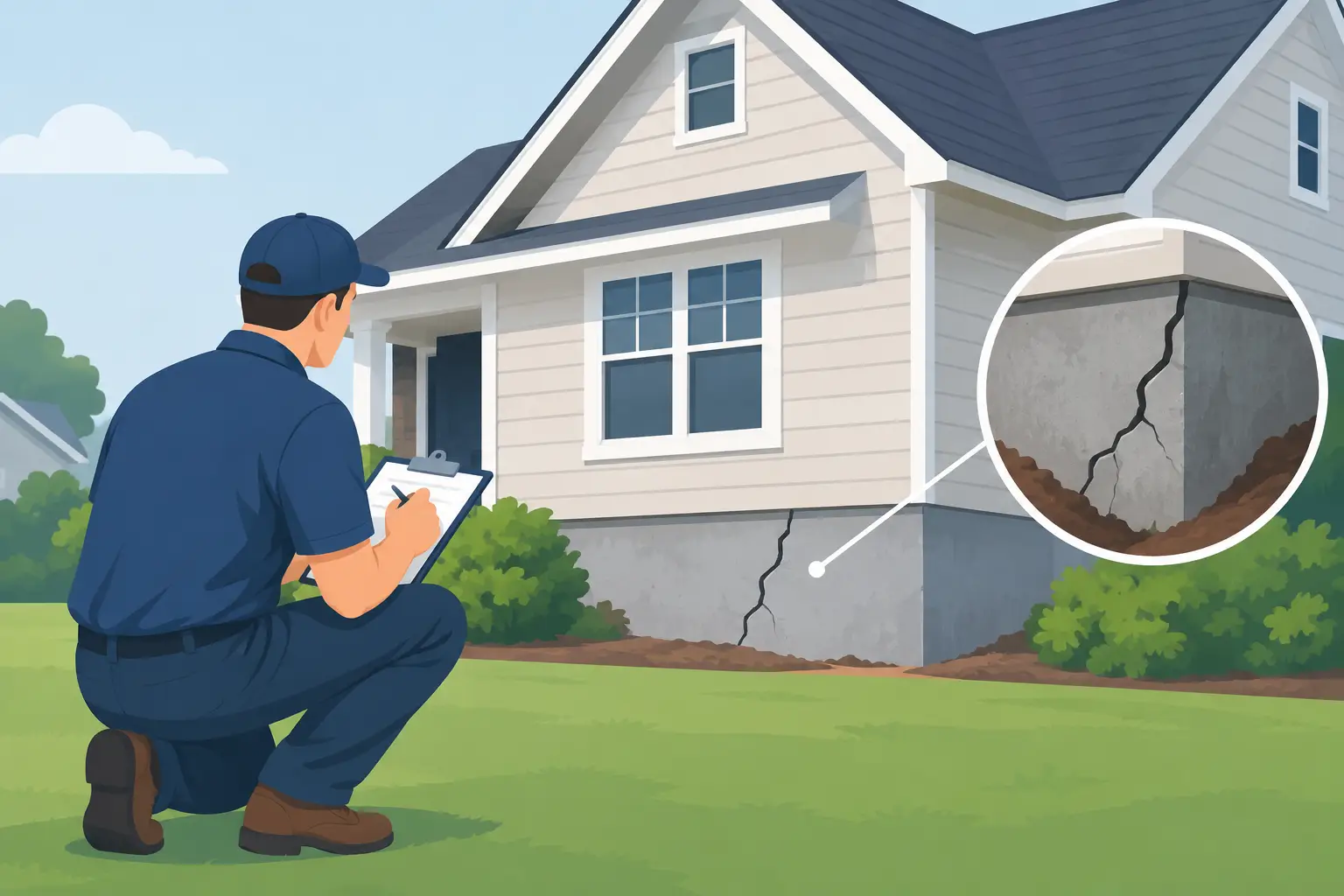
When to Call Foundation Repair Experts
October 7, 2026
A door that suddenly drags across the floor may seem like a small annoyance. In North Texas, it can be an early signal that the soil beneath your home is moving. Foundation repair experts look beyond the visible symptom to determine whether the cause is structural movement, poor drainage, plumbing moisture, or a combination of issues.
For Dallas-Fort Worth property owners, acting early can protect more than walls and floors. It can help limit future repair needs, preserve the value of the property, and provide a clear plan before a manageable concern becomes a larger project.
Why North Texas Foundations Need Local Experience
Much of the Dallas-Fort Worth area sits on expansive clay soil. This soil absorbs water and swells during wet periods, then contracts as conditions become dry. That repeated cycle can place uneven pressure on a slab foundation, pier and beam system, or block and base structure.
The foundation does not always move in one dramatic event. More often, movement happens gradually as moisture conditions around the home change. A season of drought, heavy rain, a clogged gutter, an improperly sloped yard, or a leaking line can create the uneven soil moisture that leads to settlement or heave.
That is why a repair plan should not begin and end with lifting a structure. The right solution depends on how the building is supported, where movement is occurring, the condition of the surrounding soil, and how water travels around the property. A repair that addresses only the visible crack without addressing the moisture source may not provide the long-term stability a homeowner expects.
Signs It Is Time to Contact Foundation Repair Experts
Most homes develop minor cosmetic cracks over time, especially around drywall joints and trim. The concern rises when several symptoms appear together, when cracks grow, or when the changes affect how the home functions.
Watch for doors and windows that stick, floors that slope or feel uneven, cracks extending from the corners of doors and windows, gaps between brick and trim, separated baseboards, or cracks in exterior masonry. On a pier and beam home, you may also notice soft floors, sagging areas, or doors that no longer latch correctly.
Water-related signs deserve attention as well. Pooling water near the foundation, soil that stays saturated beside the home, overflowing gutters, and downspouts that discharge too close to the structure can all contribute to unstable moisture conditions. A drainage issue does not guarantee foundation damage, but it should be corrected before it has the chance to create one.
The timing matters. A single hairline crack that remains unchanged may be cosmetic. A crack that widens after rainfall, a dry spell, or ongoing drainage problems calls for a professional evaluation. Property owners should also schedule an inspection before listing a home, purchasing an older property, or beginning a major remodel that may conceal existing symptoms.
What a Thorough Foundation Inspection Should Cover
A dependable inspection is not a quick walk around the house followed by a one-size-fits-all estimate. It should give the property owner a clear understanding of what is happening and why.
A qualified contractor starts by reviewing the visible evidence inside and outside the structure. This includes cracks, floor elevations, doors, windows, brickwork, patios, sidewalks, grading, gutters, and water flow patterns. In many cases, the drainage conditions around the home explain as much about foundation performance as the foundation itself.
The contractor should then explain whether the symptoms indicate active movement, past movement, settlement, moisture-related expansion, or a condition that can be monitored. Not every home with a crack requires structural repair. Honest guidance sometimes means recommending drainage correction, routine maintenance, or observation rather than immediate foundation work.
If repairs are needed, the estimate should identify the repair approach, the areas being addressed, and the expected purpose of the work. Homeowners should feel comfortable asking what the repair can correct, what existing cosmetic damage may remain, and what steps will help protect the result after the project is complete.
Matching the Repair to the Structure
Foundation repairs are not interchangeable. The right method depends on the foundation type and the source of movement.
Slab Foundation Repair
For a concrete slab foundation, repair often involves installing properly engineered support piers at selected locations around the perimeter or interior of the structure. Concrete piers can transfer the load of the home to more stable supporting soil, helping restore elevation where settlement has occurred.
The goal is not to make broad promises about returning every surface to a perfectly level condition. It is to stabilize the home and achieve appropriate correction based on the structure, soil conditions, and safe repair limits. Cosmetic cracks, flooring damage, and trim separation may require separate repairs after foundation work is complete.
Pier and Beam Foundation Repair
Pier and beam homes have a crawl space beneath the floor system, which creates different repair considerations. Work may involve adjusting supports, replacing deteriorated wood components, improving beams or joists, and correcting drainage or ventilation conditions beneath the house.
Because moisture can collect in a crawl space, water management is especially important. Repairing support components without solving the source of excess moisture can leave the property vulnerable to further wood deterioration and recurring floor problems.
Drainage Is Often Part of the Answer
A foundation repair plan may need drainage improvements to manage water at the property line and around the structure. French drains can collect subsurface water, while surface drains help direct runoff away from low areas. The best choice depends on the grade of the yard, the source of the water, and where that water can safely discharge.
Drainage work is not an add-on when it addresses the reason soil moisture has become unbalanced. It is part of protecting the repair investment. In some cases, correcting drainage first may reduce the need for more extensive structural work. In others, both services are needed for a complete long-term plan.
How to Choose a Foundation Repair Contractor
Foundation work affects the safety, performance, and resale value of a major investment. The lowest estimate is not always the lowest overall cost if the scope is incomplete, the cause of movement is ignored, or warranty terms are unclear.
Look for a contractor that can explain the diagnosis in plain language and show how the recommendation fits the property. Ask about local experience with North Texas soil, the repair method proposed, project expectations, drainage recommendations, permits when applicable, and the warranty provided.
These questions can help make the comparison more meaningful:
- What evidence supports the recommended repair scope?
- Is drainage contributing to the movement, and how will it be addressed?
- What work is covered by the warranty, and what conditions are excluded?
- Will the crew protect landscaping, utilities, and surrounding concrete during the project?
- What should the homeowner expect before, during, and after repairs?
Clear answers are a sign of a contractor willing to stand behind the work. All American Foundation Repair & Drainage has served North Texas property owners since 1969, pairing foundation and drainage experience with free estimates, financing options, and a limited lifetime warranty on qualifying work.
Protecting Your Foundation Between Inspections
No foundation is completely immune to soil movement, but consistent water management can reduce unnecessary stress. Keep gutters clear, extend downspouts away from the structure, and maintain positive drainage so water does not collect beside the home. During dry weather, follow a measured watering plan appropriate for your property rather than allowing the soil around the foundation to become extremely dry and then oversaturating it.
Pay attention after major weather changes. New puddles, fresh cracks, shifting fence lines, and changes in door operation provide useful information. Taking dated photos can help show whether a condition is stable or progressing over time.
A foundation concern is easier to face when you have a straightforward assessment from a local professional. If your home is showing signs of movement or water is collecting near the foundation, a careful inspection can replace uncertainty with a practical plan to protect your property.