Foundation Repair Arlington Homeowners Can Trust
October 19, 2026
A door that suddenly rubs the frame, a crack stretching across a living room wall, or water standing beside the slab after a North Texas storm can make a homeowner uneasy for good reason. Foundation repair Arlington homeowners need is rarely about one cosmetic crack. It is about finding out whether the home is moving, why it is moving, and what will protect it for the long term.
Arlington properties face the same difficult conditions found across the Dallas-Fort Worth area: expansive clay soils, long dry spells, heavy rain, and rapid shifts in moisture. Those conditions can cause soil to shrink, swell, and place uneven pressure on a home’s foundation. The right response is not guesswork or a one-size-fits-all repair. It starts with a careful inspection and a practical plan based on how your home is actually performing.
Why Arlington Foundations Move
North Texas clay soil holds water differently than sandy soil. During wet weather, it absorbs moisture and expands. When hot, dry weather pulls moisture from the ground, it contracts. That repeated cycle can leave one portion of a foundation supported differently than another.
Movement does not always mean a major structural failure is underway. Homes naturally experience some minor settling over time. The concern begins when movement is ongoing, uneven, or noticeable in the structure above the foundation. A foundation may settle because soil has dried out beneath it, while another area may lift because runoff, a plumbing leak, or poor grading keeps the soil too wet.
Trees can also influence soil moisture. Mature roots draw significant amounts of water from the ground, particularly during dry periods. This does not mean every tree near a home needs to be removed. It does mean the relationship between landscaping, drainage, and foundation performance deserves professional attention.
The goal is to identify the source of movement before selecting a repair method. Installing piers can stabilize a settling area, but drainage corrections may also be necessary if uncontrolled water is contributing to the problem. A lasting repair plan considers both the structure and the conditions around it.
Signs Foundation Repair May Be Needed
Many warning signs show up gradually. Homeowners often notice them while cleaning, painting, or preparing to sell. One sign alone may have an innocent explanation, but several signs appearing together warrant an inspection.
Cracks that keep growing
Small hairline cracks in drywall can occur as a house ages. Wider cracks, diagonal cracks extending from doors or windows, or cracks that reopen after patching deserve closer evaluation. Exterior brick cracks, especially stair-step patterns along mortar joints, can also point to uneven movement.
Doors and windows that no longer operate normally
A sticking door is not automatically a foundation problem. Humidity and normal wear can affect a door, too. However, when multiple interior doors stick, gaps appear around frames, or windows become difficult to open in more than one area of the home, structural movement may be part of the picture.
Uneven or sloping floors
Floors should feel generally stable as you walk across them. Noticeable slopes, soft areas, or a sense that furniture no longer sits level can indicate a concern with the slab, supporting piers, or framing beneath a pier and beam home. The cause matters because repair options differ by foundation type.
Water that lingers near the home
Water should move away from the foundation, not collect against it. Puddles after rain, overflowing gutters, downspouts that discharge beside the house, and low areas in the yard all create moisture conditions that can affect soil behavior. Drainage is not a separate afterthought. In many Arlington repair projects, it is part of protecting the work that has been done.
What a Professional Foundation Inspection Should Answer
A useful inspection should provide more than a recommendation to repair. It should help you understand what is happening to your property and what options make sense.
First, the inspector should look at the home as a whole. That includes interior and exterior cracking, door and window operation, floor elevations, brickwork, visible drainage patterns, and site conditions around the perimeter. For pier and beam homes, accessible areas beneath the structure may also need evaluation for wood deterioration, support issues, or moisture problems.
Next comes the question homeowners care about most: is the movement active, and does it require repair now? Sometimes monitoring, drainage improvements, or routine maintenance may be the appropriate first step. In other cases, delaying repair can allow cracks, plumbing strain, framing misalignment, and water intrusion to become more expensive.
A clear estimate should explain the proposed scope of work in plain language. You should know where support will be installed, why those areas were selected, what the installation process involves, and whether drainage work is recommended alongside structural repair. Transparency is especially important because every home, soil condition, and repair plan is different.
Foundation Repair Options for Arlington Properties
The appropriate repair method depends on foundation type, the direction of movement, soil conditions, and the load being supported. There is no honest way to prescribe a solution without examining the property.
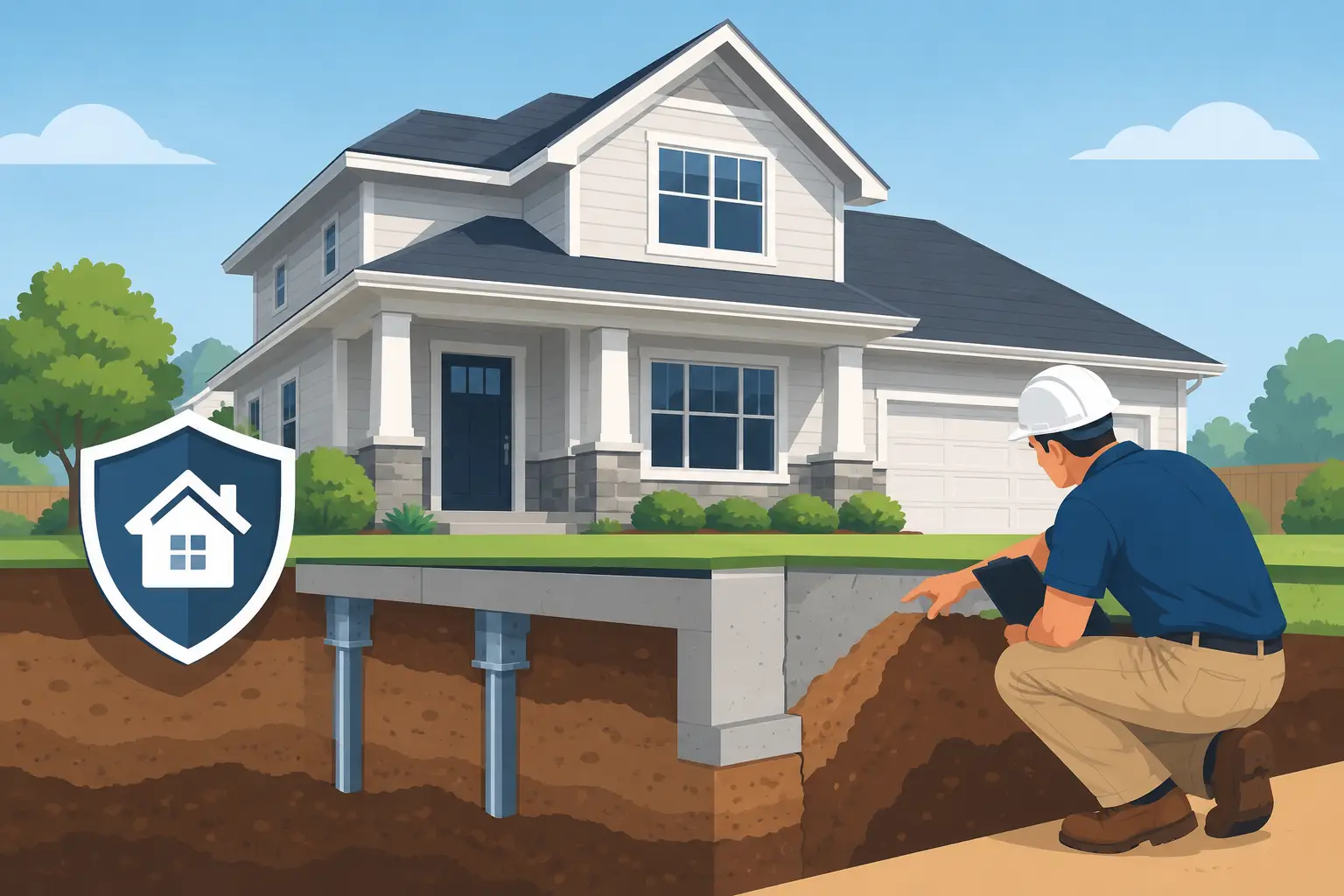
For many slab foundations, concrete piers may be installed beneath affected portions of the structure to provide deeper, more stable support. These piers can help stabilize a settling area and, when appropriate, allow for carefully planned lifting. The objective is not to force a home into an unrealistic position. It is to improve support while avoiding unnecessary stress on the structure.
Pier and beam foundations require a different approach. Repairs may involve house leveling, adjustment or replacement of supporting components, and correction of moisture problems in the crawl space or around the perimeter. Block and base systems also need a repair plan tailored to their construction and current condition.
Repair decisions involve trade-offs. Bringing a structure closer to level may improve door operation, floor slopes, and visible gaps, but older finishes can react to adjustment. Drywall cracks may need cosmetic repair afterward, and previously hidden issues may become visible as the home is stabilized. A trustworthy contractor explains these possibilities before work begins rather than treating them as a surprise.
Drainage Protects the Repair
Foundation stability depends heavily on keeping moisture around the home as consistent as possible. No drainage system can control every storm, but properly designed drainage can direct water away from areas where it can undermine soil support or create excessive swelling.
Surface drains are often useful where runoff collects in low spots or travels toward the house. French drains may be recommended when subsurface water needs a controlled path away from the foundation. Grading, gutter extensions, and downspout routing can also make a meaningful difference.
Drainage work should be designed for the property, not copied from a neighboring home. A system that works well on a flat lot may not solve problems on a sloped property. Likewise, a drain must have a practical discharge route. The best solution accounts for how water enters the site, where it naturally flows, and how to move it away without creating a new problem elsewhere.
When to Act and What to Expect
If you are seeing multiple warning signs, waiting for the next season is rarely the best way to gain peace of mind. An inspection gives you a baseline. Even if immediate repair is not necessary, you will have a clearer understanding of your home’s condition and the maintenance steps that can help protect it.
When repair is recommended, ask about the schedule, access needs, protection for landscaping and interior areas, cleanup, warranty coverage, and payment options. Foundation work is a significant investment, and you deserve direct answers before committing. All American Foundation Repair & Drainage has served North Texas property owners since 1969 with customized repair and drainage plans, free estimates, financing options, and limited lifetime warranty coverage on qualifying work.
Do not let uncertainty turn a manageable concern into a larger repair. A professional evaluation can replace speculation with a plan that protects your home, your property value, and the people who depend on both.