How an Expert Foundation Repair Company Helps
October 9, 2026
A crack above a doorway, a floor that slopes toward one wall, or a patio pulling away from the house can make a homeowner wonder how serious the problem has become. An expert foundation repair company does more than recommend piers or leveling. It identifies what is moving, why it is moving, and what needs to change to protect the structure for the long term.
In Dallas-Fort Worth, those answers often start below the surface. North Texas clay soils expand when they hold moisture and shrink during dry periods. That repeated movement can place stress on slab foundations, pier and beam homes, and block and base structures. The right repair plan considers both the structural symptoms you can see and the soil and drainage conditions contributing to them.
Foundation Problems Need More Than a Quick Fix
Foundation concerns are rarely just cosmetic. Drywall cracks, sticking doors, separated trim, and uneven floors may be signs of normal settling, seasonal movement, drainage problems, or more significant structural displacement. A knowledgeable contractor should not treat every crack as proof that a home needs the same repair.
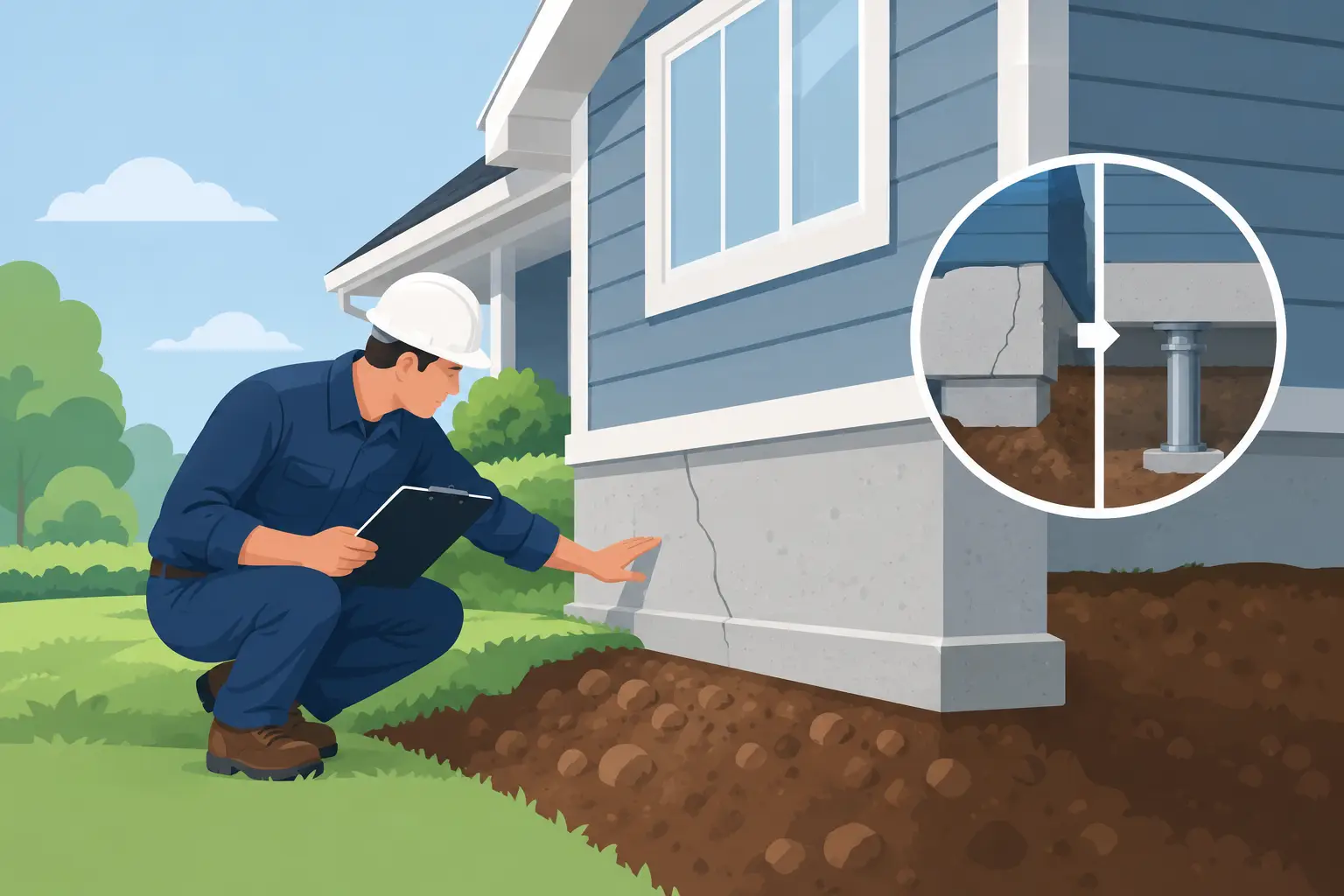
A proper inspection connects the evidence. The inspector evaluates elevation changes across the structure, visible interior and exterior damage, soil grading, drainage patterns, plumbing concerns, and the condition of any existing repair work. This process helps distinguish between a minor condition that should be monitored and a problem that calls for prompt stabilization.
That distinction matters. Repairing only the visible symptom without addressing the source of moisture change can lead to more movement later. On the other hand, spending money on unnecessary work does not protect your investment either. A trustworthy recommendation should be based on the home in front of you, not a one-size-fits-all sales pitch.
What an Expert Foundation Repair Company Should Evaluate
Every property has a different history. The age of the home, foundation type, trees near the structure, gutter discharge, landscaping, plumbing, and past weather patterns can all affect foundation performance. A seasoned local contractor asks about those details because they guide the repair approach.
For a concrete slab foundation, the goal may be to support areas that have settled and carefully improve elevation where appropriate. Concrete piers can be used when the plan calls for dependable support beneath affected portions of the slab. House leveling may also be part of the work, but no responsible company should promise that every cosmetic crack will disappear or that every floor will become perfectly level. Homes move over time, and the practical goal is stable, properly supported performance.
Pier and beam foundations require a different evaluation. The crawl space must be considered along with beams, joists, posts, ventilation, moisture conditions, and the condition of the perimeter support. Block and base foundations have their own construction details and repair needs. An experienced contractor explains those differences plainly instead of using slab-foundation language for every home.
The inspection should also look beyond the foundation itself. Water that collects near the house, flows toward the structure, or repeatedly saturates one side of the property can contribute to soil movement. In many North Texas homes, drainage correction is an essential part of protecting a foundation repair.
Signs That Deserve a Professional Look
No single sign confirms major foundation damage. However, several changes appearing together, especially if they are worsening, deserve an inspection. Watch for these conditions:
- Cracks in interior walls, ceilings, brick, or around doors and windows
- Doors and windows that stick, drag, or no longer latch properly
- Floors that feel uneven, sloped, soft, or separated from baseboards
- Gaps where exterior trim, brick, or siding meets windows, doors, or the roofline
- Water pooling near the foundation after rain or runoff from gutters
Take photos and note when you first notice a change. A small crack that stays unchanged for years may require a different response than a crack that lengthens after every season of heavy rain or drought. Documentation also gives the inspector a clearer picture of how the home has been behaving.
Drainage Is Part of Long-Term Foundation Protection
Homeowners sometimes view drainage and foundation repair as separate projects. In reality, they are often closely connected. The soil around a foundation performs best when moisture levels are managed as consistently as possible. Too much water in one area and excessive drying in another can create uneven movement.
The right drainage solution depends on the property. A surface drain may help collect and redirect water that runs across a yard. A French drain may be appropriate when water needs to be collected below the surface and carried away from the structure. Adjusting grading, extending downspouts, and correcting low areas may also be part of the recommendation.
Drainage work is not an automatic add-on to every foundation project. Some homes have adequate water management, while others need drainage addressed before or alongside structural repair. The key is an honest explanation of what the site requires and how each recommendation supports the overall plan.
Questions to Ask Before You Hire
A foundation repair project is a significant decision, so homeowners should expect direct answers. Ask how the company determined the cause of the problem, what repair method it recommends, and why that method fits your foundation type. Ask whether drainage or plumbing conditions may be contributing to movement and whether those issues need separate attention.
You should also understand the scope of work. A clear estimate identifies the repair areas, the materials or support system being used, what preparation is needed, and what is and is not included. If cosmetic repairs such as drywall patching, painting, tile replacement, or landscaping restoration are outside the scope, that should be explained before work begins.
Warranty terms deserve careful attention as well. A warranty can be meaningful protection, but homeowners should know what it covers, whether it transfers, and what conditions apply. Financing options can also help property owners move forward with necessary repairs without delaying action while damage progresses.
Local experience matters because the soil, weather, and construction styles in Dallas-Fort Worth are not the same as those in other regions. A contractor familiar with North Texas conditions is better positioned to recognize common moisture patterns and recommend practical solutions that fit the area.
Clear Communication Builds Confidence
Foundation work can feel overwhelming because the problem is literally beneath your home. The best contractors reduce that uncertainty by explaining findings in everyday language. You should leave an inspection understanding what was observed, what the likely causes are, what options are available, and what could happen if repairs are postponed.
That does not mean every answer is absolute. Soil movement is influenced by weather, water, and the way a property is maintained. A professional should be honest about those variables while still giving you a clear path forward. Confidence comes from realistic expectations, sound workmanship, and a plan designed for long-term stability.
All American Foundation Repair & Drainage, LLC has served North Texas property owners since 1969, bringing more than 57 years of experience to foundation repair and drainage concerns. As a family-owned company, the focus is on practical recommendations, dependable workmanship, and protecting the property you have worked hard to own.
When to Schedule an Inspection
If you are seeing new cracks, worsening doors and windows, uneven floors, or standing water near the home, waiting for the issue to become more obvious can make the decision harder and potentially more expensive. A free estimate gives you an opportunity to understand the condition before choosing a repair path.
For a home you plan to keep for years, a well-designed foundation and drainage plan is not simply a repair expense. It is protection for your family, your property value, and your peace of mind. Pay attention to the changes your home is showing, ask for clear answers, and choose a company prepared to stand behind its work.