Foundation Repair Euless Signs You Should Act
October 4, 2026
A crack above the living room window may look small, but it can be the first visible sign that movement beneath the home is affecting the structure. When homeowners search for foundation repair Euless, they are usually looking for more than a quick fix. They need clear answers about what is moving, why it is happening, and what it will take to protect their home for the long term.
In Euless and across the Dallas-Fort Worth area, foundation concerns are often tied to expansive North Texas clay soil. That soil changes volume as moisture levels change. During dry stretches, it can pull away from a foundation. After heavy rain, it can swell and place pressure on portions of the structure. Those repeated cycles can cause settlement, heaving, drainage problems, and damage that becomes more expensive when left unaddressed.
When Foundation Repair in Euless Is Needed
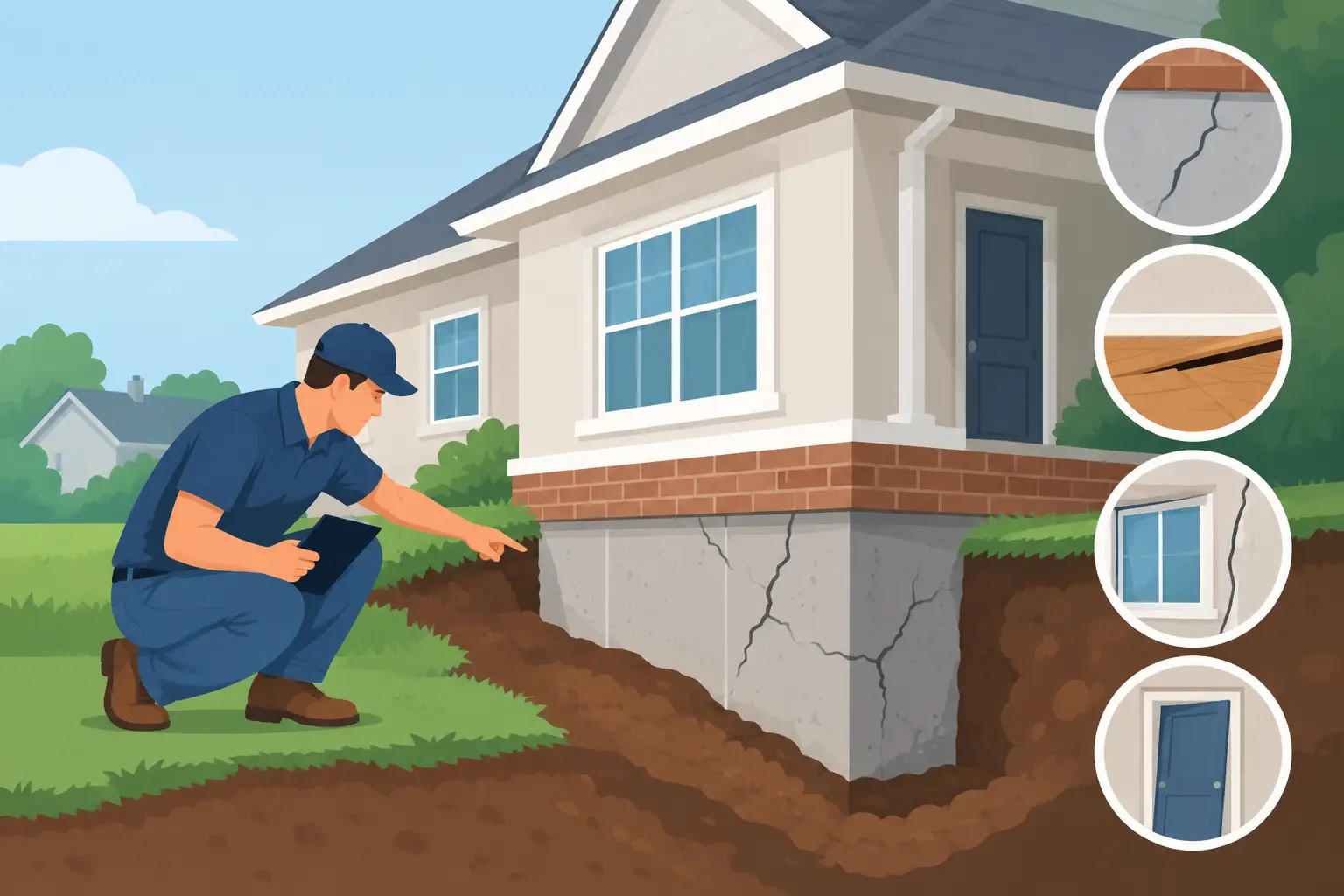
Not every crack means a home needs structural repair. Homes naturally experience minor movement, and hairline cracks in drywall can come from normal settling, temperature changes, or aging materials. The concern rises when cracks widen, return after cosmetic repairs, or appear alongside other changes in the home.
Watch for signs that point to possible foundation movement:
- Interior or exterior cracks that run diagonally from doors, windows, or corners
- Doors and windows that stick, will not latch, or suddenly have uneven gaps
- Sloping, bouncy, or uneven floors
- Separating trim, cabinets, brick, or fireplaces
- Cracks in exterior brick, foundation beams, or slab areas
- Standing water near the home after rain or irrigation
One sign by itself does not always tell the whole story. Several signs appearing in the same area, however, deserve a professional inspection. A trained foundation specialist can determine whether the problem is active movement, past settlement, poor drainage, plumbing-related moisture, or another issue entirely.
Why Euless Homes Move
The ground under a home is part of its support system. In North Texas, clay-rich soils can absorb significant amounts of water and expand. As the soil dries, it contracts. If moisture is not distributed evenly around the foundation, one part of the home may move differently than another.
A long dry period can lead soil to shrink near the perimeter, allowing sections of a slab foundation to settle. A clogged gutter, short downspout, low yard grade, or broken drainage line can have the opposite effect by delivering too much water to one area. In either case, uneven support is the real problem.
Trees can also affect moisture conditions. Mature roots draw water from surrounding soil, which may contribute to drying near the foundation. That does not mean every tree needs to be removed. It means the home, landscaping, watering habits, and drainage pattern should be considered together before anyone recommends a repair plan.
For pier and beam homes, moisture concerns can look different. Inadequate drainage, deteriorated beams, settling piers, or poor crawl space ventilation may cause floors to sag or become uneven. Block and base foundations require their own evaluation as well. The right repair depends on the foundation type and the specific cause of movement, not a one-size-fits-all solution.
What a Proper Inspection Should Answer
A foundation inspection should not begin with a sales pitch. It should begin with measurements, observations, and questions about the property. Homeowners deserve to understand what the contractor sees and why a particular recommendation makes sense.
A thorough evaluation commonly includes checking interior and exterior cracks, doors and windows, floor elevations, visible foundation components, drainage patterns, gutters, downspouts, and the soil around the home. The inspector should also ask when the issues began, whether they worsen after rain or drought, and whether plumbing leaks or major landscaping changes may be involved.
The goal is to separate symptoms from causes. For example, leveling a structure may be necessary to restore support, but water management may also be needed to reduce the conditions that contributed to movement. Repairing only the visible damage without addressing drainage can leave the home exposed to future problems.
At All American Foundation Repair & Drainage, LLC, recommendations are built around the property’s conditions, foundation type, and long-term stability needs. That practical approach matters because homeowners should know what is being repaired, what the work is designed to accomplish, and what ongoing maintenance can help protect the result.
Foundation Repair Options Depend on the Home
For many slab foundations, concrete piers are installed beneath the affected areas to transfer the home’s load to more stable bearing conditions. The number and placement of piers depend on measured movement, structural layout, and the repair design. Once support is established, controlled lifting may be used where appropriate.
House leveling can improve uneven floors, help doors and windows operate more normally, and reduce visible gaps caused by movement. Still, homeowners should expect honest limits. Some drywall cracks, brick cracks, and cosmetic separations may require separate repair after structural work is complete. Older homes may not return to a perfectly level appearance, and forcing excessive lift can create unnecessary stress. A responsible plan seeks stable support, not unrealistic promises.
Pier and beam repair may involve leveling, replacing or reinforcing beams, correcting pier issues, and improving drainage beneath or around the structure. Block and base homes may need adjustments to supports and moisture management tailored to their construction. The materials and method should fit the building, not simply the contractor’s preferred system.
Drainage Is Part of Protecting the Foundation
Water should move away from the house, not collect next to it. This principle is simple, but it is one of the most important parts of foundation protection in Euless.
Start by looking at the property after a strong rain. Water that pools near the foundation, spills from overflowing gutters, or tracks toward the home can create uneven soil moisture. Downspouts should carry roof runoff away from the structure. The ground should slope away where possible, and irrigation should not repeatedly soak one side of the home while leaving another side dry.
When surface improvements are not enough, a drainage system may be the better solution. French drains can collect subsurface water and direct it away from problem areas. Surface drains can help manage runoff on low spots, patios, driveways, and landscaped areas. The best choice depends on where the water begins, where it collects, the grade of the lot, and where it can safely discharge.
Drainage work is not automatically required with every foundation repair. But when moisture imbalance is contributing to movement, ignoring it can undermine an otherwise sound repair investment. A complete inspection should explain whether drainage correction is recommended and why.
Questions to Ask Before Choosing a Contractor
Foundation work affects one of the most valuable parts of a property. Before approving a project, ask whether the company has meaningful experience with North Texas soil and local construction types. Ask how the repair plan was determined, what materials will be used, whether drainage is part of the concern, and what warranty applies to the work.
You should also receive a written scope that explains the recommended repair in plain language. Price matters, especially when a repair is unexpected, but the lowest estimate is not always the best value. A plan that overlooks drainage, uses inadequate support, or provides little accountability can cost more later.
Established contractors should be willing to discuss financing options, timelines, access needs, and what to expect inside and outside the home during the project. Clear communication reduces uncertainty and helps homeowners make decisions with confidence.
Do Not Wait for Damage to Spread
Foundation movement rarely becomes less concerning simply because it is ignored. Cracks may grow, doors may become harder to operate, and water may continue affecting the soil around the home. Acting early can give you more repair options and prevent smaller symptoms from turning into broader structural or cosmetic damage.
If you are seeing changes in your Euless home, start with a professional evaluation and a straightforward explanation of the findings. A careful inspection, a repair plan designed for local soil conditions, and attention to drainage can help protect the stability you have worked hard to build.