Foundation Repair Keller Homeowners Can Rely On
October 28, 2026
A bedroom door that suddenly will not latch, a crack running from the corner of a window, or a floor that feels uneven underfoot can turn a comfortable Keller home into a source of worry. Foundation repair Keller homeowners need is not about reacting to every hairline crack. It is about identifying whether soil movement is affecting the structure, understanding why it is happening, and correcting the problem before small symptoms become costly damage.
Keller homes face the same North Texas challenge seen across the Metroplex: expansive clay soil. This soil swells when it absorbs water and shrinks as it dries. That repeated cycle can create uneven support beneath a slab or pier and beam foundation. The goal of a proper repair plan is not simply to lift a house. It is to restore stable support and address the moisture conditions that contributed to the movement.
When Foundation Repair in Keller May Be Necessary
No two cracks mean exactly the same thing. Concrete cures and settles, drywall shifts slightly with seasonal changes, and some cosmetic cracking is common in a home. The concern grows when several signs appear together, worsen over time, or show up alongside drainage problems.
Pay close attention to these common warning signs:
- Stair-step cracks in brick or mortar joints
- Cracks above doors, windows, or garage openings
- Doors and windows that stick, drag, or no longer latch properly
- Sloping or bouncy floors
- Gaps between exterior trim, brick, or walls
- Separating cabinets, countertops, or baseboards
- Water standing near the foundation after rain
A crack by itself does not automatically mean your home needs structural work. A qualified inspection looks at the pattern, location, width, direction, and whether it is active. It also considers floor elevations, drainage, roof runoff, plumbing concerns, and the condition of the soil around the home.
The earlier you schedule an inspection, the more options you may have. Waiting does not always make a repair dramatically larger, but ongoing movement can lead to more interior repairs, additional masonry cracking, and greater concern when it is time to sell or refinance.
Why Keller Soil and Drainage Matter
Foundation movement is often a water-management issue as much as a structural issue. North Texas clay can change volume significantly as moisture levels change. A long dry spell may cause soil to pull away from the foundation. Heavy rain, poor grading, leaking gutters, or runoff concentrated in one area can then saturate the soil unevenly.
That uneven moisture is the problem. One side of a home may have shaded, wet soil while another side remains dry and contracted. Over time, the foundation can move differently from one area to another.
A thorough evaluation should look beyond the visible crack. Are downspouts emptying too close to the house? Does the yard slope toward the home? Does water pond near flower beds or along the side yard? Is a plumbing leak introducing moisture beneath the slab? These questions help determine whether drainage correction should be part of the long-term solution.
French drains and surface drains can be effective where runoff or standing water is contributing to soil saturation. They are not interchangeable solutions. A French drain is generally designed to collect subsurface water, while a surface drain captures water moving across the ground. The right approach depends on the source of the water, the grade of the property, and where that water can safely discharge.
The Right Repair Depends on Your Foundation Type
Keller properties include different foundation systems, and each requires a repair plan built around its construction and movement pattern.
Slab Foundation Repair
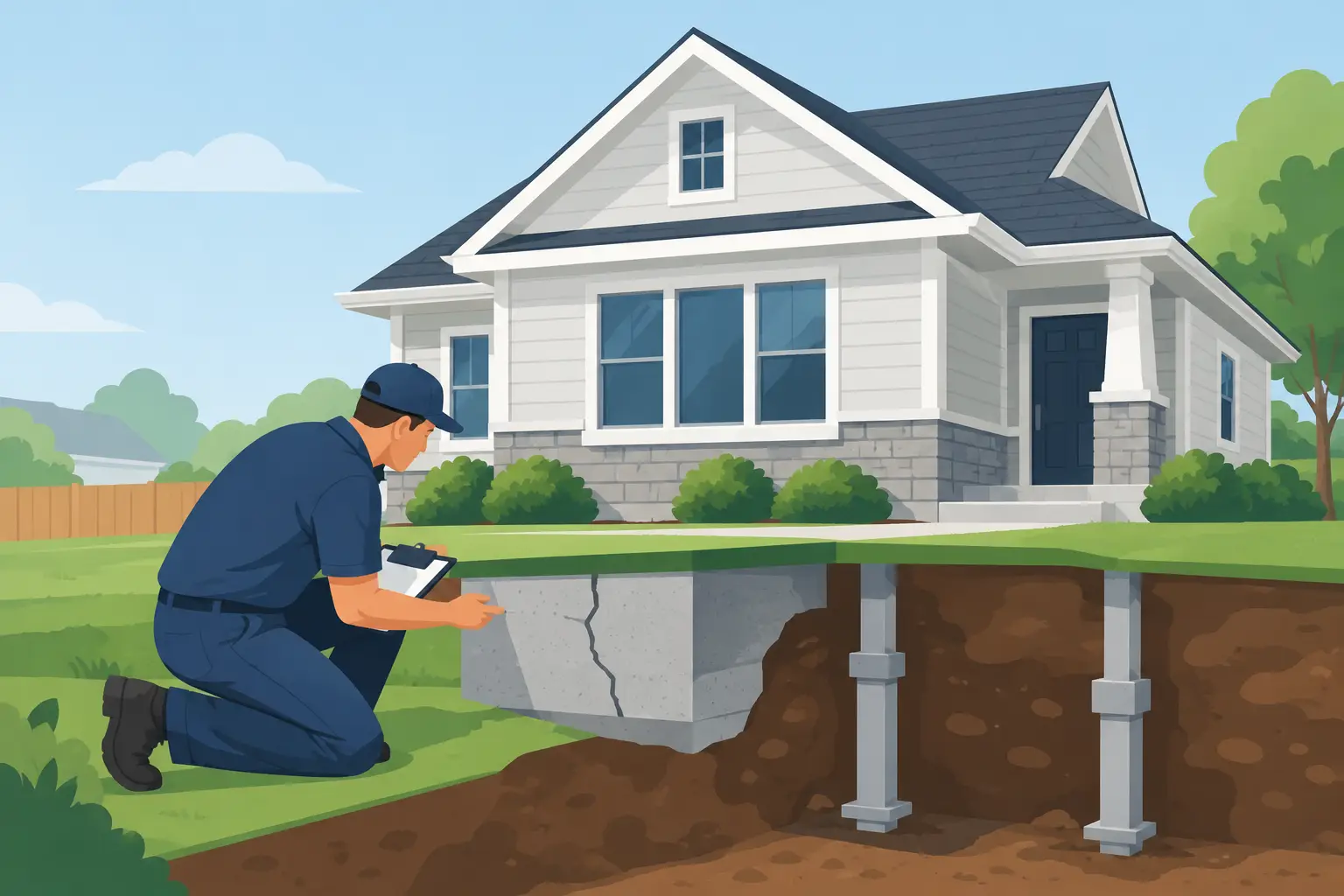
Many area homes are built on concrete slabs. When a slab settles or heaves unevenly, concrete piers may be installed at carefully selected locations to provide deeper, more dependable support. The repair process commonly involves exposing the foundation edge, installing piers to an appropriate bearing depth, and transferring the load of the home to those supports.
Whether a home should be lifted fully, partially, or stabilized at its current elevation depends on the structure and the risk of cosmetic damage during lifting. A responsible contractor should explain that trade-off clearly. Raising a section can improve floor elevations, but it may also reveal or create stress cracks in brittle finishes such as drywall, tile, and brick. The best recommendation is the one that protects the home, not the one that promises an unrealistic result.
Pier and Beam Foundation Repair
Pier and beam homes have a crawl space beneath the floor, which makes certain structural components accessible but does not make the job simple. Repairs may involve adjusting or replacing interior supports, repairing damaged beams or joists, improving ventilation, or correcting moisture conditions in the crawl space.
Uneven floors in a pier and beam home can result from several causes, including deteriorated framing, settling piers, moisture damage, or insufficient drainage around the perimeter. An inspection should identify the underlying issue before any leveling work begins. Leveling without correcting persistent moisture can leave the home vulnerable to future movement.
Block and Base Systems
Some older North Texas homes use block and base construction. These systems need careful evaluation because support blocks, shims, beams, and underlying soil can all affect performance. The right repair may include re-shimming, adding support, replacing compromised materials, or improving drainage around the structure.
Experience matters with older homes. The goal is to improve support while respecting the way the house was built and avoiding unnecessary disruption to finishes, utilities, and landscaping.
What a Clear Foundation Inspection Should Include
Foundation repair is a major investment, so homeowners deserve more than a quick walk around the exterior. A useful inspection should include a conversation about when symptoms started, whether they change seasonally, and what drainage or plumbing issues may be present.
The inspector should examine both the interior and exterior, document visible signs of movement, and take floor elevation readings where appropriate. Those readings help establish whether floors are sloping and where movement is concentrated. They should also review drainage paths, gutter discharge, vegetation near the home, and grade conditions.
After the inspection, the recommendation should be understandable. You should know what repair is proposed, why support is needed in specific areas, whether drainage work is recommended, and what the expected result will be. Ask what is covered by the warranty, what is excluded, and whether the warranty can transfer if you sell the property.
Be cautious of advice that treats every crack as an emergency or recommends the same number of piers for every home. Foundation repair is not one-size-fits-all. A tailored plan is more likely to protect your property and your budget over the long term.
Protecting Your Home After Repairs
Structural repair provides support, but ongoing maintenance helps preserve stable soil conditions around the home. Keep gutters clean, extend downspouts away from the foundation, and address standing water promptly. During prolonged dry periods, follow professional guidance on maintaining consistent moisture around the foundation rather than allowing the soil to cycle between extremely dry and saturated conditions.
Also watch for plumbing leaks, especially if you notice unexplained damp areas, a higher water bill, or new movement symptoms. Interior repairs such as drywall patching and paint are often best scheduled after the foundation has been repaired and the home has had time to stabilize.
For Keller homeowners, peace of mind starts with facts, not guesses. All American Foundation Repair & Drainage brings more than 57 years of North Texas experience to inspections, customized repair recommendations, drainage solutions, financing options, and warranty-backed work. If your home is showing signs of movement, a clear professional evaluation can help you make a confident decision before the next season puts more stress on the structure.