When Pier & Beam Foundation Repair Is Needed
October 24, 2026
A floor that feels soft near the kitchen, a doorway that suddenly will not latch, or a new slope across an older home can be more than an inconvenience. These are often signs that the support system below the house needs attention. Pier & beam foundation repair addresses movement and deterioration beneath the home before it spreads into damaged finishes, plumbing problems, and larger structural concerns.
For Dallas-Fort Worth property owners, the issue is rarely just age. North Texas clay soils expand when wet and shrink during dry periods. That repeated movement, combined with poor drainage or moisture under the home, can place uneven pressure on piers, beams, and floor framing. A clear inspection is the first step toward protecting the home you have worked hard to maintain.
How a Pier and Beam Foundation Works
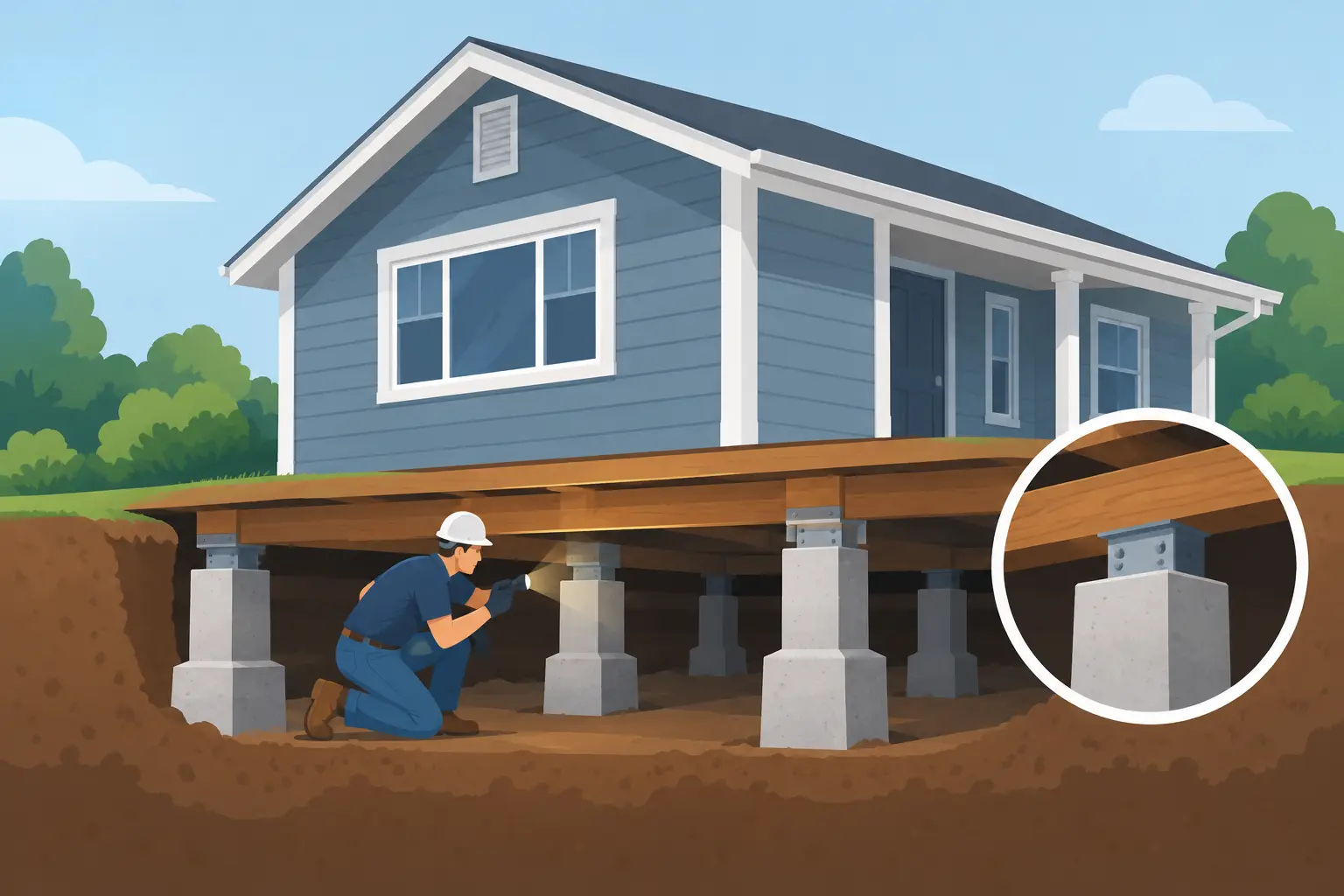
Unlike a concrete slab, a pier and beam foundation raises the home above the ground. Piers support beams, beams support floor joists, and the crawl space below gives access to plumbing, wiring, and structural components. This design is common in older homes throughout Duncanville and the wider Metroplex, and it can be a practical, durable system when it is properly supported and kept dry.
The crawl space is also where trouble can remain hidden. A homeowner may notice cracked drywall or uneven flooring upstairs, while the underlying cause is a settled pier, a deteriorated wood beam, excessive moisture, or soil that has shifted below a support point. Because several conditions can create similar symptoms, repair should never be based on a quick guess from inside the house alone.
Signs Pier & Beam Foundation Repair May Be Needed
Some movement is possible in any home, especially during major weather changes. The concern is persistent, worsening, or widespread movement. Floors that dip, bounce, or feel noticeably uneven deserve attention, particularly when the change is new or more pronounced than before.
Doors and windows that stick can also point to shifting framing. So can cracks around interior doors, separation at trim, gaps between the wall and ceiling, or exterior brick cracks. In a pier and beam home, squeaky floors by themselves are not always a foundation issue. But squeaks combined with sloping floors, cracked finishes, or moisture in the crawl space are worth a professional evaluation.
A musty odor, standing water, visible mold, rotted wood, or damaged insulation below the home should be addressed promptly. Moisture does not only affect comfort. It can weaken wood components, attract pests, and change the soil conditions supporting the foundation. Waiting may allow a drainage problem to become a structural repair.
What Causes Movement Under North Texas Homes
The most common cause is uneven moisture. Heavy rainfall can saturate soil around or beneath the home, while extended heat can dry clay soil and cause it to contract. If water collects near one side of the foundation, that side may behave differently from the rest of the structure.
Drainage problems often come from clogged or undersized gutters, downspouts that discharge too close to the house, low grading, broken drain lines, or landscaping that traps water. Plumbing leaks under the home can create similar conditions. A repair plan that only levels the floor without correcting the source of moisture may not provide the long-term stability a property needs.
Age and previous construction also matter. Older piers may settle, crack, or no longer carry weight evenly. Wood shims can compress over time, beams can deteriorate, and prior repairs may not have addressed the true cause of the movement. Every home has its own history, which is why the right solution depends on inspection findings rather than a one-size-fits-all recommendation.
What Professional Repair May Include
Pier and beam foundation repair begins with evaluating the home from the inside and below. A qualified contractor checks floor elevations, visible cracking, the condition of beams and joists, pier placement, crawl-space moisture, drainage patterns, and accessible plumbing concerns. The goal is to determine where support has changed and why.
Repairs may involve re-leveling sections of the home, adding or rebuilding support piers, replacing failed shims, reinforcing or replacing damaged beams and joists, or correcting structural connections. In some cases, a home needs carefully placed concrete piers to provide dependable support. In others, targeted adjustments and wood-framing repairs are more appropriate.
Leveling should be approached with care. A home that has moved over many years may not safely return to a perfectly original position in a single step. Experienced repair planning considers the condition of framing, finishes, plumbing, and the amount of adjustment the structure can reasonably tolerate. The best result is stable support and a practical correction plan, not an unrealistic promise that ignores the home’s condition.
Water management may be part of the work as well. French drains, surface drains, grading improvements, gutter extensions, or moisture-control measures can help direct water away from the foundation. These services are not extras when drainage is contributing to movement. They are part of protecting the repair.
What to Expect During the Repair Process
After an inspection, you should receive a straightforward explanation of the findings and recommended work. A good plan identifies the problem areas, explains the repair method, and discusses drainage conditions that could affect the outcome. Homeowners should be able to ask why certain piers, beams, or drainage corrections are recommended before work begins.
During construction, crews access the crawl space and work beneath the house, which can reduce disruption compared with some slab foundation repairs. There may still be noise, dust around work areas, and temporary movement as portions of the floor system are adjusted. If plumbing or electrical components are affected by significant settlement, additional evaluation may be needed after leveling.
The schedule depends on the extent of repair, crawl-space access, weather, and whether drainage work is included. Simple support corrections can take less time than a project involving multiple structural components and water-management improvements. What matters most is that the work is performed carefully and that the property owner understands the scope before the project starts.
Protecting the Repair After the Work Is Complete
Foundation repair is not a reason to stop watching water around the home. Keep gutters clear, make sure downspouts carry water away from the foundation, and avoid allowing irrigation to repeatedly soak one area near the house. During dry weather, follow a sensible watering approach for the soil around the foundation when recommended for your property.
It is also wise to check the crawl space periodically for plumbing leaks, standing water, damaged vapor barriers, or pest activity. Early attention to these issues can prevent unnecessary stress on the support system. If a new crack appears, do not assume the repair has failed. Some cosmetic materials can respond to seasonal changes, but any substantial or expanding change should be inspected.
For homeowners facing foundation concerns, uncertainty is often the hardest part. All American Foundation Repair & Drainage brings more than 57 years of local experience to evaluating North Texas homes, with clear recommendations, financing options, and warranty-backed repair plans. The right time to act is when you first see a pattern of movement or moisture, while there are still more options to protect your home’s stability.