Foundation Repair in Hurst: Signs to Act
October 23, 2026
A door that suddenly drags across the floor is more than an everyday annoyance. When it appears alongside wall cracks, separating trim, or a floor that no longer feels level, it can point to movement beneath the home. Foundation repair Hurst homeowners need should begin with a careful look at the full property, not a quick guess based on one crack.
Homes in Hurst face the same North Texas soil conditions that affect properties across the Dallas-Fort Worth area. Expansive clay soils swell when they absorb water and shrink during dry periods. That repeated movement can place stress on a slab, pier and beam, or block and base foundation. The goal is not simply to cover visible damage. It is to identify what is moving, why it is moving, and what repair plan will provide dependable support over the long term.
Foundation Repair Hurst: What Movement Looks Like
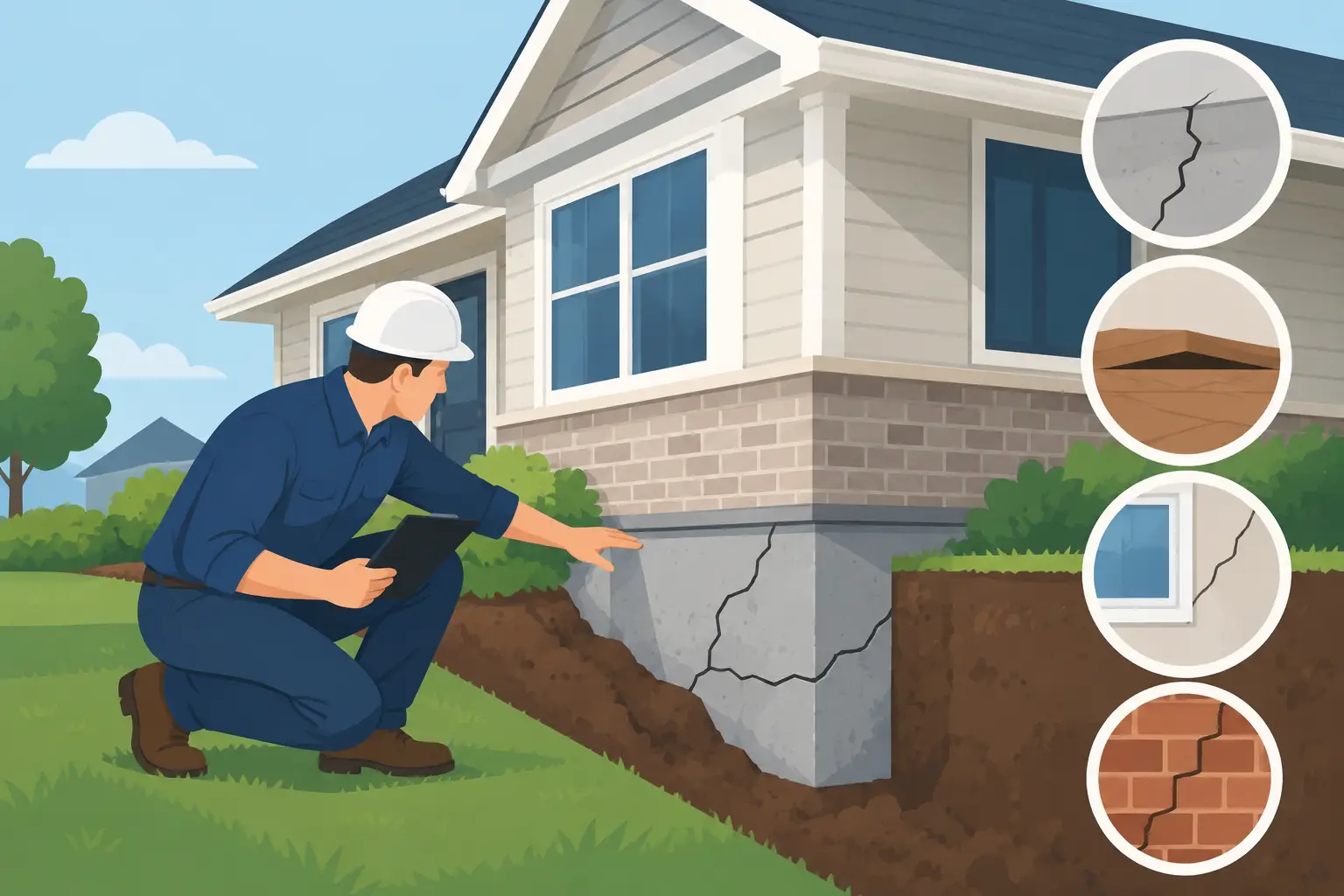
Foundation trouble does not always announce itself with a dramatic break in the concrete. More often, the signs show up gradually in places homeowners use every day. A few hairline cracks may be cosmetic, especially in older homes, but patterns and changes deserve attention.
Watch for several signs occurring together, including:
- Cracks that run diagonally from the corners of doors or windows
- Doors and windows that stick, will not latch, or develop gaps around their frames
- Uneven, sloping, or bouncy floors
- Brick cracks, mortar separation, or gaps where exterior materials meet
- Interior trim pulling away from walls or ceilings
A crack by itself does not automatically mean a foundation repair is required. Seasonal expansion and normal settling can cause minor changes. The concern grows when cracks widen, reappear after patching, or appear with other signs of uneven movement. Comparing current conditions to photos from previous months can also help show whether a problem is active.
Outside the home, look at the grade, gutters, downspouts, and low spots in the yard. Water that collects near the perimeter can soften soil and encourage expansion. Extended dry weather can pull moisture from the soil beneath the foundation, causing it to shrink and lose support. In North Texas, both too much water and too little water can contribute to movement.
Why Hurst Foundations Need More Than a Surface Fix
Foundation repair is a structural decision, which is why a proper inspection matters. Filling a drywall crack may improve appearance, but it does not stop the cause of the crack if the structure is still shifting. Likewise, leveling without addressing a serious drainage problem may leave the property exposed to future movement.
During an inspection, a qualified foundation professional should evaluate the visible symptoms inside and outside the property, assess elevations where appropriate, and consider how water moves across the lot. They should also account for the construction type. A concrete slab foundation requires a different repair approach than a pier and beam home with accessible crawlspace conditions.
For slab foundations, steel or concrete piers may be installed at carefully selected points to support and, when appropriate, lift sections of the structure. The right depth and placement depend on the home, the soil conditions, and the pattern of movement. A repair plan should explain where support is needed and why.
Pier and beam foundations often require a closer look at beams, joists, piers, shimming, and moisture below the home. Floors may feel uneven because of structural settlement, deteriorated components, or excess moisture in the crawlspace. The solution may involve leveling and support work, but it may also require drainage correction or moisture management.
Block and base foundations have their own needs. These older systems can perform well when properly maintained, but shifting soil, water intrusion, and aging materials can lead to settlement and alignment concerns. An experienced local contractor can distinguish between maintenance needs and conditions that call for structural repair.
Drainage Is Part of Long-Term Foundation Protection
A foundation repair plan should not treat water as an afterthought. Water management is often one of the most practical ways to protect a home after repair and reduce the risk of continued soil movement.
Start with the basics. Gutters should be clean and connected to downspouts that discharge water away from the foundation. The ground should slope away from the house where possible, rather than directing runoff toward the perimeter. Sprinkler systems should not repeatedly soak the soil next to the home, and plumbing leaks should be repaired promptly.
Some properties need more than simple grading adjustments. A French drain can collect subsurface water and redirect it away from areas where it could affect the foundation. Surface drains can capture runoff in low areas of a yard, driveway, or patio. The best option depends on where water originates, how the property is graded, and where it can be discharged responsibly.
There is a trade-off to consider with any drainage work. A system that is too small, poorly placed, or disconnected from the actual water source may not solve the problem. On the other hand, installing drainage where it is not needed adds cost without meaningful protection. That is why the repair and drainage recommendations should be based on the property, not a one-size-fits-all package.
What to Expect From a Foundation Inspection
A clear inspection helps replace uncertainty with useful information. Homeowners should expect straightforward answers about what the contractor sees, what may be causing the symptoms, and whether repairs are recommended now or monitoring makes more sense.
Ask how the proposed work addresses the observed movement and whether drainage conditions should be corrected at the same time. If piers are recommended, ask about their type, placement, and the warranty that applies to the repair. If house leveling is part of the plan, ask what results are realistic. Some cosmetic cracks may need to be repaired after structural work is complete, and doors or windows may need adjustment once the home has stabilized.
Cost matters, especially when a foundation issue is unexpected. A reliable contractor should provide a written scope of work and explain financing options when available. The lowest estimate is not always the strongest value if it leaves out drainage correction, uses an unclear repair method, or provides limited warranty protection. Homeowners are protecting one of their largest investments, so clarity and workmanship should carry real weight in the decision.
Choosing Foundation Repair in Hurst With Confidence
Look for a contractor with established local experience in North Texas soils, not just a general description of foundation work. The company should be willing to inspect the property, explain its findings in plain language, and give you time to understand the recommendation. Pressure tactics have no place in a structural repair decision.
All American Foundation Repair & Drainage, LLC has served North Texas property owners since 1969 with repair plans built around the home’s structure, soil conditions, and drainage needs. Free estimates, next-business-day responses, financing options, and a limited lifetime warranty can help make a difficult situation more manageable without sacrificing long-term protection.
If you have noticed new cracks, uneven floors, or water collecting near your home, do not wait for the symptoms to become severe. A timely inspection can help you understand the condition of your foundation, protect your property value, and make the next decision with confidence.