Foundation Repair Grapevine Homeowners Trust
October 8, 2026
A crack above the living room doorway may look small, but it can carry a bigger message about movement beneath your home. In Grapevine, foundation repair concerns often begin with changes homeowners see every day: doors that stop latching, floors that feel uneven, windows that stick, or cracks that slowly lengthen after a dry summer or heavy rain. The right response is not panic. It is getting a clear, local assessment before minor movement becomes a more expensive structural or drainage problem.
Why Grapevine Homes Experience Foundation Movement
Grapevine sits in the North Texas region, where expansive clay soil is a major factor in foundation performance. Clay absorbs water and swells, then loses water and contracts during dry periods. That repeated cycle can place uneven pressure on a concrete slab or create shifting conditions around pier and beam foundations.
A foundation is not always moving because of one dramatic event. More often, it responds to months or years of uneven moisture around the home. One side may stay wet because of poor drainage, leaking plumbing, or a downspout that releases water too close to the house. Another side may dry out quickly due to direct sun, large trees, or inadequate watering. When the soil support is inconsistent, the structure above it can begin to show signs of settlement or heave.
Age, construction style, lot grading, and previous repairs also matter. A historic home with a pier and beam system has different needs than a newer home built on a post-tension or conventional slab. A professional inspection should identify the conditions affecting your specific property rather than treating every crack as the same problem.
Signs You May Need Foundation Repair in Grapevine
Foundation movement can show up in several parts of a property at once. A single hairline crack is not automatic proof that repairs are needed, especially in drywall or brick veneer. However, patterns and changes over time deserve attention.
Watch for cracks that widen, run diagonally from doors or windows, or appear in both interior and exterior walls. Separating trim, gaps at cabinets or countertops, and brick cracks may also point to structural movement. Inside the home, uneven or sloping floors, doors that swing open on their own, and windows that become difficult to operate are common concerns.
Outside, inspect the soil and drainage around the foundation. Water that ponds near the home, soil that has pulled away from the slab, overflowing gutters, and downspouts that discharge at the foundation line can all contribute to unstable moisture conditions. In pier and beam homes, moisture, damaged support components, and crawl space drainage issues can create a separate set of concerns.
The key is to look at the whole picture. Foundation symptoms, drainage conditions, and the home’s layout should be evaluated together. Cosmetic repairs may hide visible cracks for a while, but they do not correct the movement causing them.
What a Thorough Foundation Inspection Should Address
A dependable inspection starts with listening. Homeowners should be able to explain when they first noticed changes, whether the issue worsens during certain seasons, and whether drainage or plumbing problems have occurred nearby. Those details help shape the assessment.
The inspection should include the interior, exterior, foundation perimeter, visible structural elements, and grading around the property. Measurements can help identify elevation differences across a slab. For pier and beam homes, the inspector may evaluate accessible supports, beams, joists, and crawl space moisture conditions.
Just as importantly, the findings should be explained in plain language. You deserve to know whether the home needs repair now, whether monitoring is reasonable, and whether drainage correction should be part of the solution. Not every home with a crack needs structural work. When repair is recommended, the reason, method, expected scope, and warranty terms should be clear before work begins.
Repair Methods Depend on the Foundation Type
There is no one-size-fits-all answer to foundation repair. The appropriate method depends on the foundation design, the direction and extent of movement, soil conditions, and the structural areas requiring support.
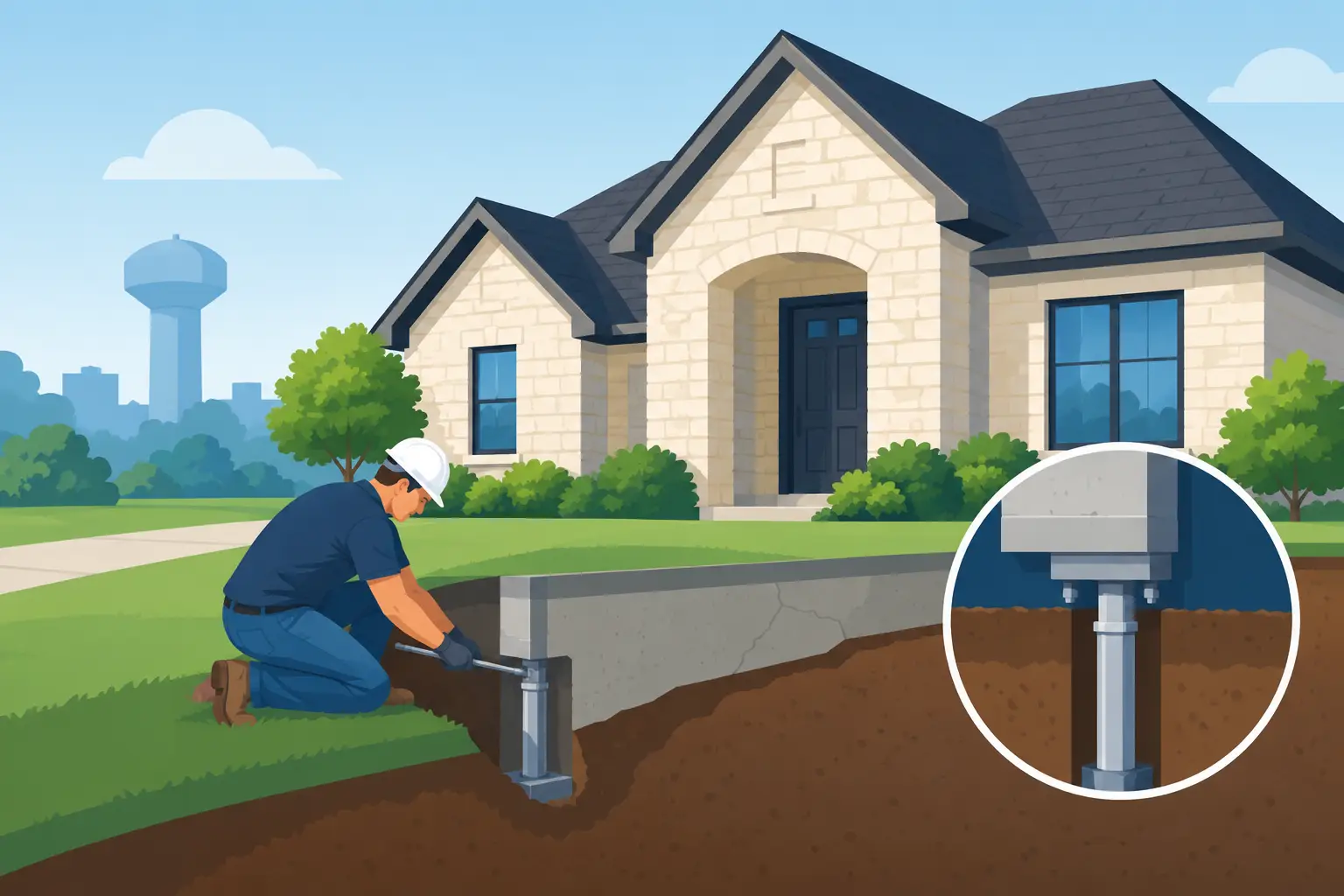
For many slab foundations, concrete piers can be installed beneath selected areas to provide stable support and help lift or stabilize the structure. The number and placement of piers should be based on the home’s measured movement and repair plan, not a guess. House leveling may address portions of the structure that have settled, though the realistic goal is long-term stability, not a promise that every older finish crack will disappear.
Pier and beam repairs may involve adjusting or replacing support components, addressing deteriorated beams or joists, and improving crawl space conditions. Block and base systems require an approach suited to their support layout and site conditions. The repair method should match the home, not the sales pitch.
There are trade-offs to consider. Structural repairs may involve access points, landscaping disruption, and temporary changes to the home while work is performed. Yet delaying necessary repairs can allow cracks, drainage issues, and uneven floors to worsen. A clear estimate helps property owners weigh the cost of repair against the risks of waiting.
Drainage Is Often Part of the Long-Term Solution
A stable foundation needs more than piers. It needs better moisture management around the structure. If water continues to collect near the foundation, the same soil conditions that contributed to movement may remain in place.
Surface drains can collect and redirect water from low areas in the yard. French drains may help manage subsurface water where conditions call for it. Gutter extensions, corrected grading, and properly directed downspouts can also make a meaningful difference. The right drainage plan depends on how water moves across the lot, where it collects, and where it can be safely discharged.
Consistent watering can be helpful during extended dry weather, but it must be managed carefully. The goal is to reduce dramatic swings in soil moisture, not to soak the foundation. Avoid allowing water to pool against the house, and do not rely on watering alone to solve an active drainage problem.
Trees are another consideration. Mature trees add value and shade, but their root zones can affect soil moisture near a foundation. Removing a tree is not always necessary or advisable. An experienced foundation professional can help assess whether tree-related moisture changes are one factor among several.
Choosing a Foundation Repair Contractor in Grapevine
Foundation repair is a major decision, so homeowners should expect more than a quick estimate. Look for a contractor with proven North Texas experience, a detailed explanation of recommended work, and a warranty that is easy to understand. Ask whether drainage concerns are considered during the evaluation and whether the company handles the repair plan from inspection through completion.
It also helps to ask practical questions. What is causing the recommended repair? Where will piers or supports be installed? What site preparation is needed? Will landscaping, concrete, or interior finishes be affected? What does the warranty cover, and are financing options available? Straight answers are a sign that the contractor takes ownership of the work.
All American Foundation Repair & Drainage has served North Texas properties since 1969, bringing more than 57 years of local experience to foundation and drainage concerns. A free estimate and next-business-day response can help homeowners move from uncertainty to a practical plan without pressure.
Protect Your Home Before the Damage Spreads
Foundation movement rarely improves by being ignored. If you are seeing recurring cracks, uneven floors, sticking doors, or water collecting around your Grapevine property, arrange an inspection while the issue is still manageable. A well-planned repair and drainage strategy can protect your home’s stability, value, and the peace of mind that comes from knowing the structure beneath your family is being properly cared for.