Foundation Repair Ft Worth: Signs to Act Now
September 28, 2026
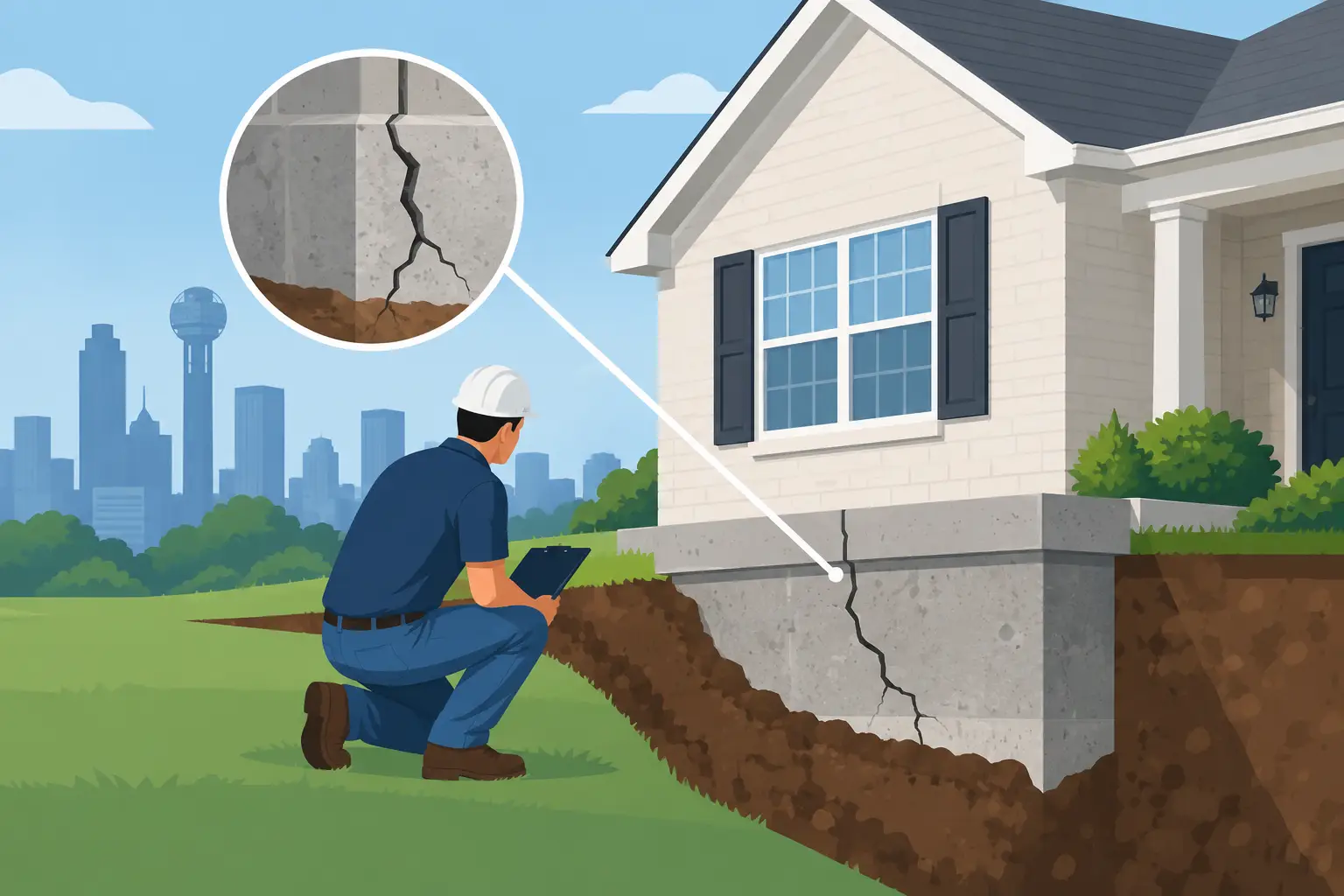
A door that suddenly drags across the floor after a long North Texas summer is not always a door problem. When it appears alongside new wall cracks, gaps at trim, or uneven floors, your home may be reacting to changing soil beneath it. Foundation repair ft worth homeowners need is rarely about one visible crack. It is about identifying what caused movement, correcting it properly, and protecting the property from further damage.
In the Dallas-Fort Worth area, expansive clay soil can swell when it absorbs moisture and shrink during dry conditions. That seasonal movement places stress on slab foundations, pier and beam homes, and block-and-base structures. A sound repair plan considers both the structure and the water around it.
Why Fort Worth Foundations Move
North Texas clay soil is known for its ability to change volume. Heavy rain, poor yard drainage, plumbing leaks, drought, and inconsistent watering can all change the moisture level around a home. As the soil expands or contracts, it can lift, settle, or place uneven pressure on the foundation.
This is why two homes on the same street can show different symptoms. One property may have a low area that collects roof runoff. Another may have large trees drawing moisture from one side of the yard. A third may have a hidden drain-line leak under the slab. The visible crack may look similar in each home, but the right repair can be very different.
Foundation movement is also not always active. Some older cracks are stable and cosmetic, while others are widening because the underlying condition has not been addressed. A professional inspection helps separate normal aging from signs that deserve prompt action.
Signs You Should Schedule a Foundation Inspection
Homeowners often wait because a small crack does not seem urgent. That is understandable, but early evaluation can provide more choices and may help prevent secondary damage to walls, flooring, plumbing, and exterior masonry.
Pay close attention when several of these conditions appear together:
- Cracks in interior drywall, especially around doors, windows, and ceiling corners
- Doors or windows that stick, separate from their frames, or no longer latch correctly
- Sloping, soft, or uneven floors that feel different from one room to another
- Exterior brick cracks, gaps around windows, or separation at fascia and trim
- Water standing near the home after rain or soil pulling away from the foundation during dry weather
A single hairline crack is not an automatic reason for major repairs. Homes settle, materials expand, and drywall can crack for ordinary reasons. The concern rises when cracks grow, patterns repeat, doors stop operating normally, or moisture conditions around the house are clearly uneven.
Foundation Repair Ft Worth Property Owners Can Plan For
A responsible foundation evaluation starts with the whole property, not a sales pitch. The inspection should consider elevation changes, interior and exterior symptoms, foundation type, visible drainage conditions, and the history of the problem. Homeowners should be able to ask what is moving, why it is moving, and what the recommended work is intended to accomplish.
For many slab foundations, repair may involve strategically installed concrete piers designed to stabilize and, where appropriate, lift areas affected by settlement. The number and location of piers should be based on the home’s conditions rather than a one-size-fits-all layout. Lifting can improve function and reduce visible symptoms, but it must be approached carefully. Older homes and finishes may not return to perfect condition, even when the foundation is properly stabilized.
Pier and beam foundations call for a different approach. These homes may need adjustments to beams, shimming, support work, or repairs to deteriorated structural components. Crawl-space moisture, ventilation, plumbing leaks, and drainage often play a larger role in the long-term performance of a pier and beam home.
Block-and-base structures also require specialized assessment. The goal is to understand whether the supports, perimeter, and soil conditions are providing dependable bearing for the structure. Repair recommendations should fit the construction of the building, not force a slab-foundation solution onto a different system.
Drainage Is Part of Long-Term Protection
Foundation repair and drainage correction often belong in the same conversation. If water repeatedly collects near the house, repairs can be exposed to the same moisture problems that contributed to movement in the first place. Stabilizing the foundation without addressing poor drainage may leave an important cause unresolved.
The right drainage solution depends on the property. A surface drain may help move water away from a low spot. A French drain may be appropriate where water travels below the surface or collects along a particular side of the home. Gutter extensions, proper grading, and managing discharge points can also make a meaningful difference.
More drainage is not automatically better. Water has to be directed to an appropriate outlet, and drainage work must account for the yard’s grade, neighboring properties, utilities, and local conditions. The objective is controlled water management: keep excess water from pooling against the foundation while avoiding concentrated runoff elsewhere.
During extended dry weather, many North Texas homes also benefit from consistent moisture management around the foundation. The key word is consistent. Alternating between very dry soil and oversaturated soil can create the swings that expansive clay responds to most aggressively. A qualified contractor can explain practical maintenance steps for your specific property after inspecting its conditions.
Questions to Ask Before Approving Repairs
Foundation work is a major decision, and homeowners deserve straightforward answers. Ask whether the proposed plan addresses stabilization, elevation correction, drainage, or a combination of those needs. Request a clear explanation of where work will be performed and what results are realistic for the age and condition of the house.
It is also wise to discuss access, landscaping, concrete removal or replacement, plumbing considerations, and possible cosmetic repairs after foundation work. Some cracks may close when a home is lifted, while others may need patching later. Tile, wood flooring, and brittle finishes can respond differently to structural adjustment. An experienced contractor will explain these trade-offs before the project begins.
Review the warranty carefully as well. Know what it covers, whether it transfers, and whether drainage or maintenance recommendations are required to keep the property protected. Financing options can help make necessary work manageable, but the repair scope should still be based on the home’s actual needs, not solely on a monthly payment.
Local Experience Makes a Practical Difference
A foundation contractor should understand the conditions that affect homes across Fort Worth and the broader Metroplex. Local knowledge matters because soil behavior, weather patterns, construction methods, and drainage challenges shape the repair approach.
All American Foundation Repair & Drainage has served North Texas property owners since 1969, bringing more than 57 years of experience to structural repair and water-management concerns. That kind of history matters when you need a clear recommendation, not unnecessary work. A free estimate, a next-business-day response, financing options, and a limited lifetime warranty can also make a difficult property decision feel more manageable.
If your home is showing changes, take clear photos, note when symptoms began, and watch what happens after rain or during dry spells. Then schedule an inspection before a small concern becomes a larger repair. A stable home begins with understanding what the ground beneath it is doing and taking the right next step with confidence.