Foundation Repair Irving Homeowners Can Trust
October 6, 2026
A door that suddenly drags across the floor is easy to dismiss. So is a thin crack above a bedroom window or a gap opening where brick meets trim. But when several of these changes appear around the same time, foundation repair in Irving deserves prompt attention. In North Texas, movement beneath a home can progress quietly until it affects floors, walls, plumbing, drainage, and the value of the property you worked hard to protect.
The right response is not panic or guesswork. It is a careful inspection that identifies what is moving, why it is moving, and whether drainage is contributing to the problem. A repair plan should fit the home, the soil conditions, and the extent of the damage – not rely on a one-size-fits-all recommendation.
Why Irving Homes Experience Foundation Movement
Irving homes sit in the same challenging North Texas environment that affects properties across the Dallas-Fort Worth area. Expansive clay soil absorbs water and swells, then dries and shrinks during hot weather or extended dry periods. That cycle can create uneven support beneath a slab foundation.
Water can be just as troublesome when it is concentrated in the wrong place. Overflowing gutters, short downspouts, poor grading, leaking plumbing, and low areas near the home can allow moisture to collect along the foundation perimeter. One side of the home may remain wet while another side becomes excessively dry. Over time, uneven soil conditions can lead to differential movement.
Older homes can have their own set of considerations. A pier and beam home may need attention to its interior piers, beams, joists, crawl space moisture, or drainage. Block and base structures also require an evaluation of the support system as a whole. The visible symptoms may look similar, but the repair approach should be based on the foundation type and the source of movement.
Signs You Should Schedule a Foundation Inspection
A single hairline crack does not automatically mean a major structural problem. Materials expand, settle, and age. What matters is the pattern, location, and progression of the changes you see.
Pay close attention when cracks become wider, return after patching, or appear with other warning signs. Diagonal cracks extending from the corners of doors or windows, stair-step cracks in brick, separated trim, sloping floors, and doors or windows that stick are common indicators worth evaluating. You may also notice cabinets pulling away from walls, cracks in tile, or gaps at exterior expansion joints.
Outside, look for water standing near the foundation after rain, soil pulling away from the slab during dry weather, or gutters that discharge directly beside the home. These conditions do not prove that foundation damage has occurred, but they can reveal a moisture-management issue that should be corrected before it creates a larger concern.
For commercial properties, the warning signs can include cracked masonry, uneven entries, misaligned doors, or interior floor changes that create trip hazards. Property owners should not wait for a tenant complaint or a failed transaction to investigate visible movement.
What a Foundation Repair Irving Inspection Should Answer
A professional foundation inspection should provide more than a quick look at a crack. Homeowners need clear answers about the condition of the structure and practical guidance on what to do next.
The inspection process typically includes reviewing exterior brick and concrete, interior walls and floors, doors and windows, drainage patterns, and the foundation itself where accessible. Elevation measurements help identify whether the home is out of level and where movement may be occurring. The inspector should also consider whether the symptoms point to foundation movement, drainage trouble, plumbing concerns, normal cosmetic aging, or a combination of issues.
This distinction matters. Installing piers without addressing significant drainage problems can leave the property exposed to continued soil movement. On the other hand, adding drainage alone may not correct a foundation that has already shifted and requires structural support. The best plan addresses the actual cause and the condition of the home today.
A trustworthy contractor should explain the findings in plain language, including what is urgent, what can be monitored, and what repair methods are recommended. If repair is needed, you should understand the proposed work, the expected outcome, warranty terms, and how the crew will protect the property during the project.
Repair Options Depend on the Foundation and the Cause
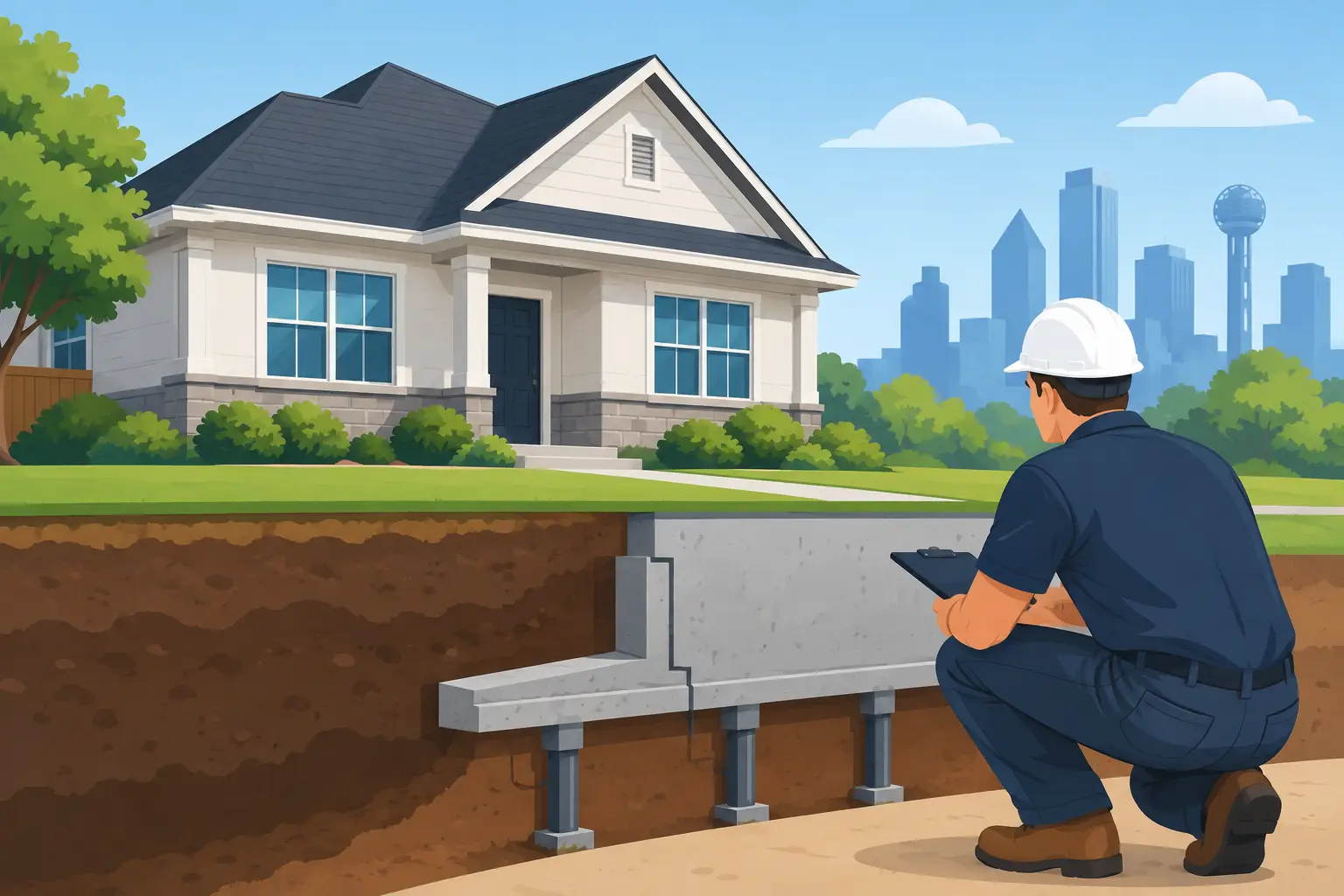
For many slab foundations, concrete piers are installed beneath carefully selected load-bearing areas to provide deeper, more stable support. The number and placement of piers should be determined by measurements, structural symptoms, and soil conditions rather than a preset package.
House leveling may be part of the repair process when practical and safe, but not every area can or should be returned to a perfect original elevation. Homes have framing, finishes, plumbing, and masonry that may have adjusted to years of movement. Attempting excessive lift can create unnecessary stress. An experienced repair team will discuss realistic expectations before work begins.
Pier and beam foundation repair can involve shimming or replacing support components, installing or repairing piers, strengthening beams, and correcting moisture conditions in the crawl space. The goal is stable, consistent support under the structure, not a temporary adjustment that ignores deteriorated materials or water intrusion.
Drainage correction often works alongside structural repair. French drains can collect and move subsurface water away from problem areas, while surface drains help manage runoff across the property. Proper downspout extensions and grading may also make a meaningful difference. The right drainage solution depends on the lot, roof runoff, soil slope, landscaping, and where water naturally travels after a storm.
What Homeowners Can Do Before the Appointment
You do not need to diagnose the foundation before requesting an estimate. Still, a few observations can help make the inspection more productive. Note when you first saw cracks or sticking doors, whether they have worsened, and where water stands after rain. If you have photos from previous months or years, they can help show whether a condition is changing.
Keep gutters clear and make sure downspouts carry water away from the foundation. Avoid placing large amounts of water near the home through sprinklers, garden beds, or poor drainage paths. During dry stretches, follow a reasonable foundation watering approach if recommended for your property, keeping moisture levels as consistent as possible rather than alternating between extremely dry and soaked soil.
Do not rely on caulk, paint, or crack filler as proof that a problem is resolved. Cosmetic repairs can improve appearance, but they do not stabilize a moving foundation. It is better to understand the cause first, then make finish repairs once the foundation and drainage issues have been properly addressed.
Choosing a Contractor for Lasting Protection
Foundation work affects one of the most significant investments a family or property owner makes. Price matters, but the lowest proposal is not always the best value if it leaves out drainage correction, uses an unclear scope of work, or provides little support after the job is complete.
Look for a local contractor with proven North Texas experience, detailed recommendations, clear warranty information, and a willingness to answer direct questions. Ask how the repair plan was developed, what type of piers or support system will be used, how the crew will handle landscaping or access, and what to expect during and after the work.
All American Foundation Repair & Drainage has served North Texas property owners since 1969 with tailored repair and water-management plans. As a family-owned company, we believe homeowners deserve straightforward answers, dependable workmanship, financing options, and the confidence that comes with a limited lifetime warranty on qualifying foundation repairs.
If your Irving home is showing signs of movement, do not let uncertainty make the decision for you. A timely, professional evaluation can replace worry with a clear path forward and help protect the stability of your home for the years ahead.