Foundation Repair Ovilla Homeowners Can Trust
October 5, 2026
A bedroom door that suddenly rubs the frame, a crack running from a window corner, or a floor that feels slightly lower than it used to can put any homeowner on edge. Foundation repair Ovilla homeowners need is not about reacting to one small cosmetic flaw. It is about determining whether your home is moving, why that movement is happening, and what will protect the structure for years ahead.
In North Texas, foundation concerns often come back to one issue: changing moisture in expansive clay soils. The right response starts with a careful inspection, not a guess or a one-size-fits-all repair plan.
Why Ovilla Homes Are Vulnerable to Foundation Movement
Ovilla homes sit in the same North Texas environment that challenges properties across the Dallas-Fort Worth area. Clay-heavy soil expands when it absorbs water and contracts when it dries out. That repeated movement can place uneven pressure on a concrete slab or pier and beam foundation.
A long dry stretch may pull moisture from the soil around one side of a house. Heavy rain, poor grading, leaking plumbing, or runoff directed toward the home can oversaturate another area. When the soil does not support the foundation evenly, parts of the structure may rise, settle, or rotate slightly.
That does not mean every crack signals serious structural damage. Concrete and drywall can develop minor cracks as a home ages. The concern grows when cracks widen, return after patching, appear alongside other symptoms, or continue to change. A professional evaluation helps separate normal aging from movement that needs correction.
Signs You May Need Foundation Repair in Ovilla
Foundation movement rarely announces itself with one obvious event. More often, homeowners notice several small changes around the property. Pay attention when the same issue appears in more than one room or when it becomes worse over time.
Common warning signs include:
- Stair-step cracks in exterior brick or mortar joints
- Cracks extending from corners of doors, windows, or interior walls
- Doors and windows that stick, drag, or no longer latch properly
- Sloping, uneven, or soft-feeling floors
- Gaps between walls, ceilings, trim, cabinets, or exterior surfaces
- Cracks in the slab, garage floor, driveway, or nearby flatwork
These signs can have different causes, so they should not be used to diagnose a foundation by themselves. For example, a single sticking door may be caused by humidity or worn hardware. But sticking doors combined with wall cracks and uneven flooring call for a closer look.
It is also wise to inspect the outside of the home after periods of drought or heavy rain. Look for low areas where water ponds near the foundation, downspouts that discharge too close to the house, exposed soil gaps, or soil that slopes toward the structure. Water management is often part of protecting a foundation, not an unrelated add-on.
The First Step Is a Thorough Inspection
A dependable foundation assessment should begin with listening. A contractor should ask when you noticed the changes, whether they have worsened, if the property has had previous repairs, and how water moves across the lot. This history can reveal patterns that are not visible during a brief walk-through.
The inspection should include interior and exterior observations, elevation measurements where appropriate, and a review of drainage conditions. The goal is to identify whether the foundation is performing outside an acceptable range and whether repairs, drainage improvements, monitoring, or another solution makes the most sense.
A clear inspection also gives you the opportunity to ask direct questions. What is causing the movement? Which areas require support? Will the recommended work address drainage? What disruption should you expect? What warranty applies? A contractor who explains the findings in plain language gives you a better basis for protecting your investment.
Foundation Repair Options Depend on Your Home
There is no responsible way to recommend the same repair for every Ovilla property. Foundation type, soil conditions, the pattern of movement, access around the home, and drainage all matter.
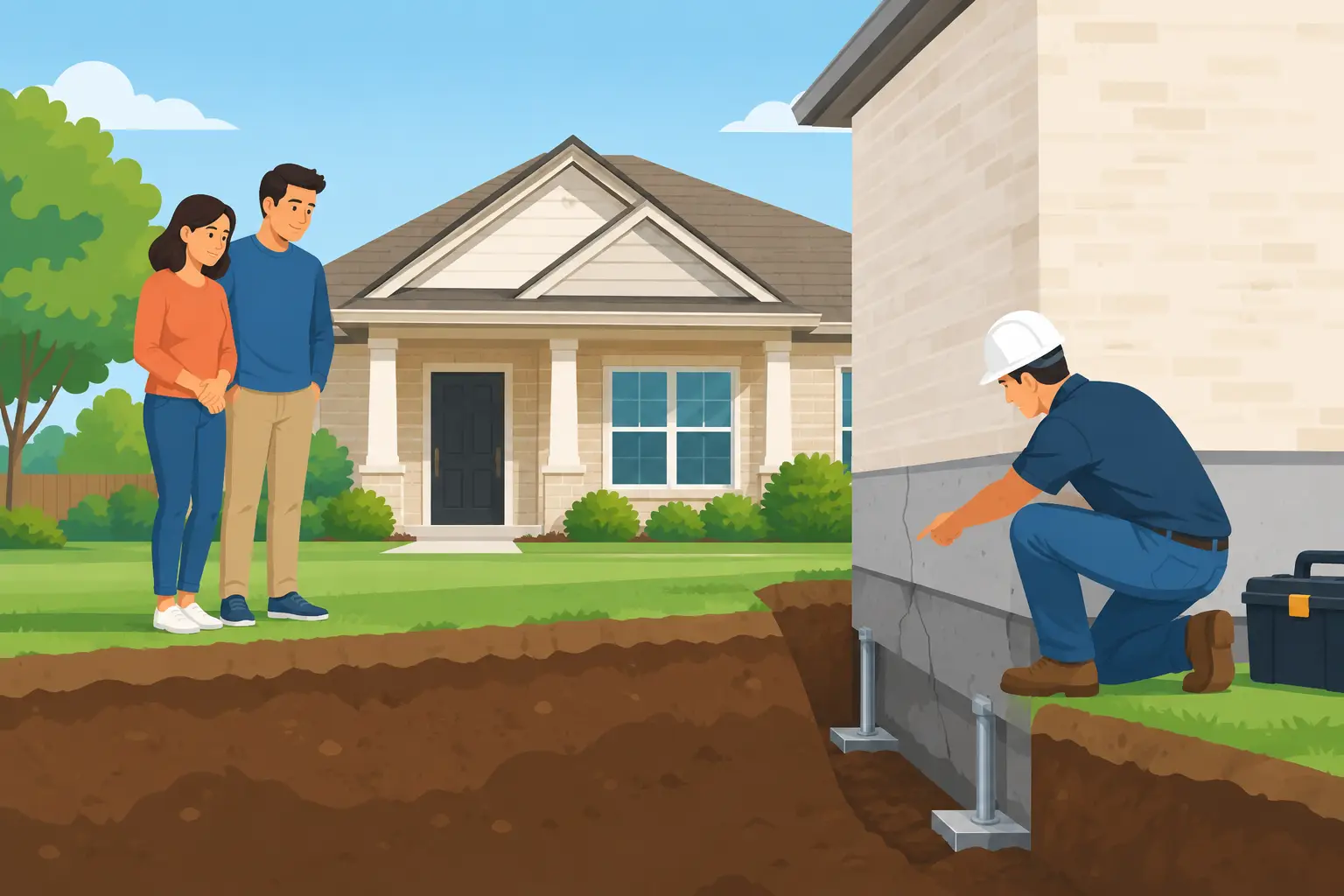
For many slab foundations, concrete piers may be installed beneath affected areas to transfer the home’s weight to more stable support. The number and placement of piers should be based on the structure’s needs, not a preset package. House leveling may be part of the process, but the objective is stable support and practical correction, not forcing a home beyond what the structure can safely tolerate.
Pier and beam homes require a different approach. Repair may involve adjusting or replacing support components, addressing deteriorated beams or joists, improving ventilation, and correcting moisture conditions in the crawl space. Block and base foundations also need a repair plan built around their individual support system and condition.
The trade-off is straightforward: a lower initial price may not provide the same long-term support, workmanship standards, or warranty protection as a properly designed repair. That does not mean the most expensive recommendation is automatically the right one. It means the scope should match the problem, and the contractor should be able to explain why each part of the work is necessary.
Drainage Can Protect the Repair
If water is contributing to soil movement, repairing the foundation without addressing drainage may leave the underlying condition in place. A home can have quality structural repairs and still face ongoing stress if rainwater repeatedly collects at the perimeter.
Surface drains can help collect and carry away water that flows across a yard. French drains may be appropriate when water moves through saturated soil or gathers in persistent low areas. Grading adjustments, properly extended downspouts, and consistent gutter maintenance can also make a meaningful difference.
Drainage is not always the answer to every foundation issue, and some properties need structural support even when drainage is improved. However, managing water around the home is one of the most practical ways to reduce moisture swings in North Texas soil. It supports the repair plan and helps protect the property over time.
What to Do Before Foundation Problems Get Worse
Homeowners cannot control the soil beneath their property, but they can reduce avoidable stress on the structure. Keep gutters clear, make sure downspouts carry water away from the home, and watch for erosion or standing water near the perimeter. During extended dry weather, follow local watering guidance and maintain reasonably consistent moisture around the foundation where appropriate for your property.
Avoid making major landscaping or drainage changes that direct water toward the house. Large trees, irrigation leaks, and new hardscape can also affect moisture patterns, so consider how changes may influence the area around the foundation.
Just as important, document what you see. Take dated photos of cracks, measure notable gaps, and make a note when doors begin sticking or floors feel different. This record can help show whether conditions are stable or progressing.
Choosing an Ovilla Foundation Repair Contractor
Foundation work affects the safety, value, and daily comfort of your home. Choose a contractor with established experience in North Texas soils, a clear inspection process, and recommendations tailored to your property. You should receive a written scope that identifies the proposed work, along with straightforward information about scheduling, financing, and warranty coverage.
All American Foundation Repair & Drainage has served North Texas property owners since 1969 with repair plans built around the actual conditions at each home. With more than 57 years of experience, the company brings local knowledge of structural movement and drainage challenges, along with free estimates, financing options, next-business-day responses, and a limited lifetime warranty.
If you are seeing more than one warning sign, do not let uncertainty turn into a larger repair later. A professional inspection can replace worry with a clear plan, whether your home needs repair now, drainage correction, or simply informed monitoring for the future.