How to Fix Sticking Doors Without Missing Foundation Issues
August 21, 2026
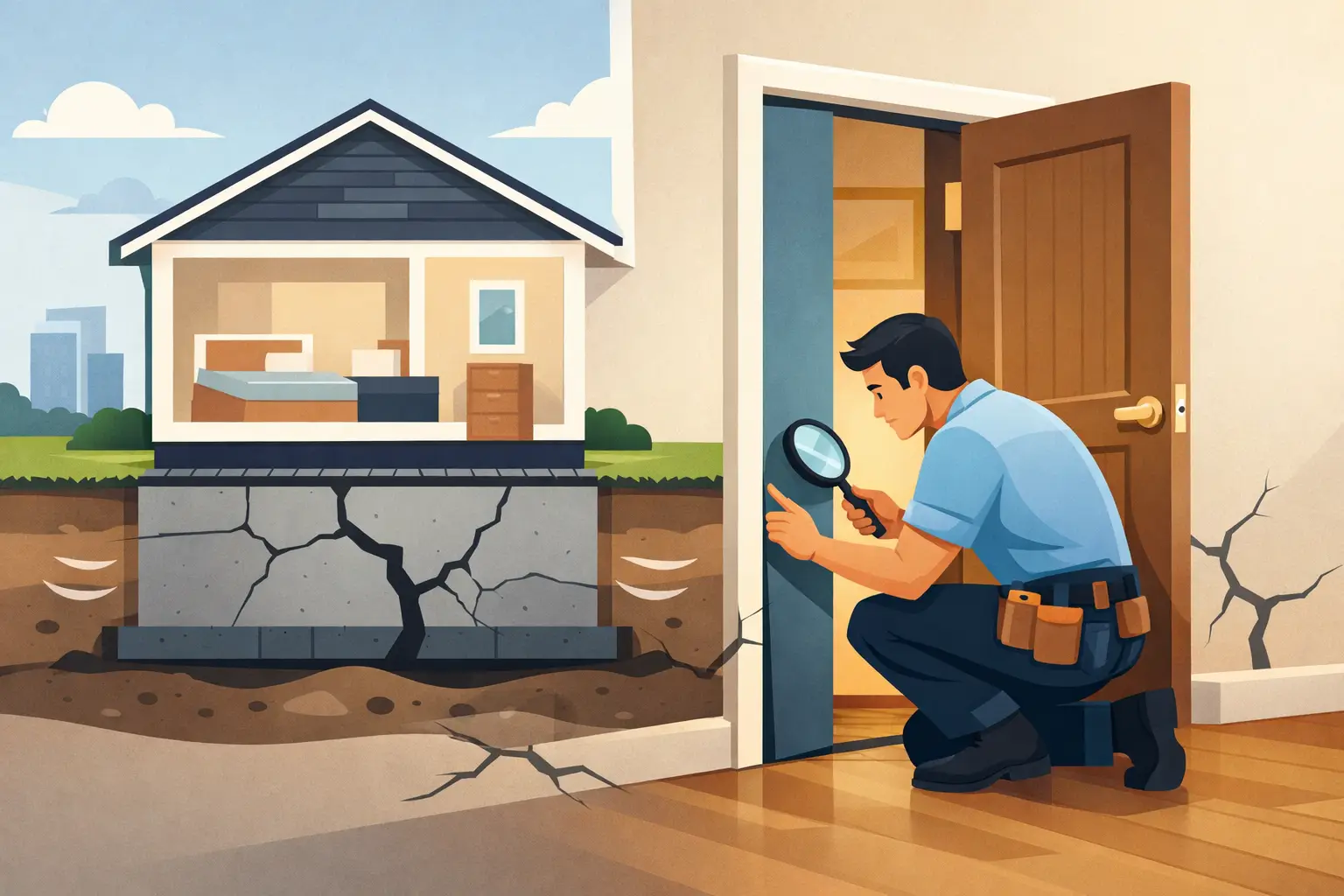
A bedroom door that suddenly scrapes the floor or refuses to latch can be more than an everyday annoyance. Learning how to fix sticking doors starts with identifying what changed. Sometimes the answer is a loose hinge screw or seasonal humidity. Other times, especially in Dallas-Fort Worth homes built on expansive clay soil, a sticking door may be one visible sign of foundation movement.
The key is not to assume the worst, but not to hide a larger problem with a quick trim job, either. A careful look at where the door binds, how recently the issue appeared, and whether other parts of the home are changing can point you toward the right repair.
Start by Finding Where the Door Sticks
Close the door slowly and watch the gap around all four sides. Is it rubbing at the top hinge side, dragging along the floor, catching at the top of the frame, or simply failing to meet the latch? The location matters because different problems leave different clues.
A door that rubs on the latch side near the top often points to loose hinges or a frame that has shifted slightly. A door dragging at the bottom may have swollen from moisture, may be sagging on its hinges, or may be affected by movement in the floor beneath it. When the latch no longer lines up with the strike plate, either the door or the frame has moved.
Before making adjustments, look for fresh paint scuffs along the door edge, shiny rubbed spots on the frame, or uneven gaps around the door. These simple clues help prevent unnecessary repairs.
How to Fix Sticking Doors Caused by Hinges
Loose hinge screws are one of the most common and least serious causes of a sticking door. Open the door, support its weight if needed, and check every screw in the hinges attached to both the door and the frame. Tighten screws that have backed out, but do not overtighten them and strip the wood.
If a screw spins without tightening, its hole may be worn. Remove the screw, fill the hole with wood glue and small wood slivers or wooden toothpicks, let the glue set, then reinstall the screw. For the upper hinge, replacing one short screw with a longer screw that reaches the framing behind the jamb can often pull a slightly sagging door back into position. Use care: driving a long screw too aggressively can pull the jamb out of alignment or crack surrounding trim.
After tightening the hinges, test the door again. If it closes freely and the latch engages, the issue was likely normal wear. Continue watching it over the next few weeks. A door that keeps moving out of alignment may have a cause beyond the hinge itself.
Check for Humidity, Moisture, and Seasonal Swelling
Wood doors and wood frames naturally expand when they absorb moisture. In North Texas, that can happen during humid stretches, after a plumbing leak, or when water enters near an exterior doorway. A door that sticks only during wet weather and returns to normal in drier conditions may simply need time to stabilize.
Look for signs that water is involved. These include soft or discolored wood, peeling paint, a musty odor, warped trim, or visible moisture near the threshold. Exterior doors deserve special attention because failed weatherstripping, clogged gutters, poor grading, and damaged flashing can direct water toward the opening.
Do not plane or sand a swollen door immediately if moisture is the likely cause. Removing material may make the door fit today but leave a large gap after the wood dries. Address the source of the moisture first, allow the area to dry, and then reassess the fit. If the door still rubs in consistently dry conditions, minor sanding or planing may be appropriate.
Make Small Adjustments Before Trimming the Door
When the door is only slightly out of alignment, adjusting the strike plate may solve the problem. Apply a little lipstick or chalk to the latch, close the door gently, and see where it contacts the strike plate. If the latch is just above, below, or beside the opening, loosen the plate and reposition it slightly. You may need to enlarge the opening in the jamb by a small amount.
If the door rubs along one edge after you have ruled out loose hinges and active moisture, mark the contact point with pencil. Remove the door and sand or plane only a small amount from that area. Seal and repaint any freshly exposed wood, particularly on exterior doors, so it does not absorb moisture again.
This is where homeowners should slow down. Trimming a door can be a reasonable finish carpentry repair, but it is permanent. If multiple doors are suddenly sticking, or if the gap around one door keeps changing, trimming can mask movement that should be investigated.
When Sticking Doors May Signal Foundation Movement
One sticking interior door does not automatically mean a foundation problem. Homes settle over time, hardware wears, and weather affects wood. The concern increases when a sticking door appears alongside other changes in the structure.
Pay attention if you notice several doors or windows becoming hard to open, new cracks in drywall near doors and windows, cracks that extend across walls or ceilings, separating trim, uneven or sloping floors, or exterior brick cracks. A door that sticks after a long dry spell, heavy rain, plumbing leak, or drainage issue can also deserve a closer look.
North Texas soils contain expansive clay that shrinks when dry and swells when wet. That cycle can place stress on a slab foundation and the framing above it. Poor drainage, broken underground plumbing, and inconsistent watering around the home can make soil moisture differences more severe. On pier and beam homes, deteriorated supports, moisture in the crawl space, and floor framing concerns can also affect door operation.
The pattern matters more than any single symptom. A door at one isolated location with loose screws is usually a repair issue. Doors sticking on opposite sides of the house, combined with cracking or floor changes, may indicate broader movement. Only a qualified evaluation can determine whether foundation repair is needed and, if so, what type of repair makes sense.
Protect the Home While You Investigate
Keep a simple record of what you see. Take dated photos of wall cracks, door gaps, and areas where the door rubs. Note whether the problem worsens after rain, during drought, or following a plumbing issue. This documentation can help distinguish a temporary seasonal change from an ongoing structural concern.
Outside, make sure roof runoff is directed away from the foundation and that soil slopes away from the home where practical. Avoid allowing water to stand near the slab for days. At the same time, do not let the soil around the foundation become extremely dry and then suddenly saturated. Consistent moisture management is especially valuable for homes on North Texas clay soils.
If you suspect a plumbing leak, damaged drainage, or foundation movement, address it before spending money on repeated door adjustments. A repaired door will not stay aligned if the supporting structure continues to move.
Know When to Request a Professional Inspection
Call for a professional foundation and drainage evaluation when sticking doors are paired with multiple warning signs, when changes are recent and widespread, or when you are unsure whether the home is moving. A thorough inspection should focus on the condition of the structure, visible symptoms, drainage patterns, and the practical repair options available. The goal should be a clear explanation, not pressure to perform work that the home does not need.
For homeowners across the Dallas-Fort Worth area, All American Foundation Repair & Drainage brings decades of local experience to these questions. A tailored inspection can help determine whether a sticking door is a simple maintenance task, a moisture issue, or part of a larger foundation concern.
A door should close without a fight. If yours does not, take the small signs seriously, make only the repairs the evidence supports, and protect the home before a manageable problem becomes a larger one.